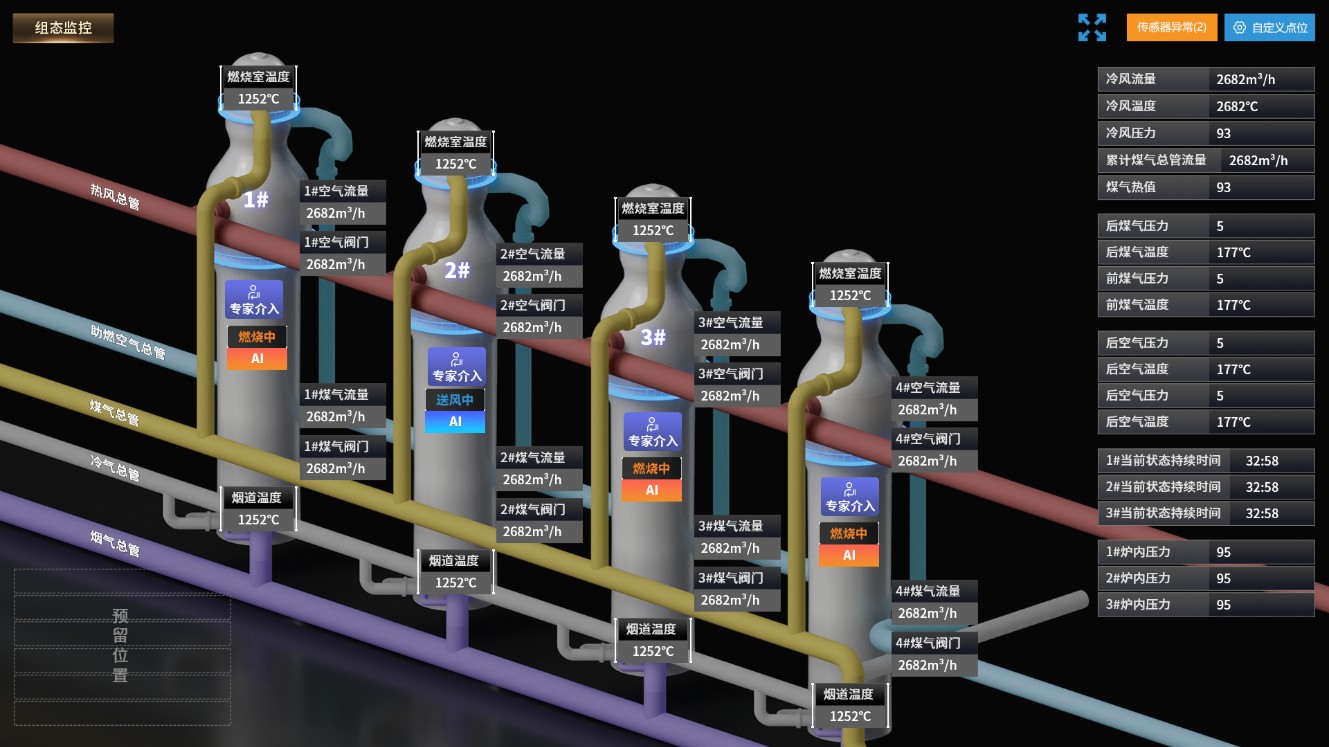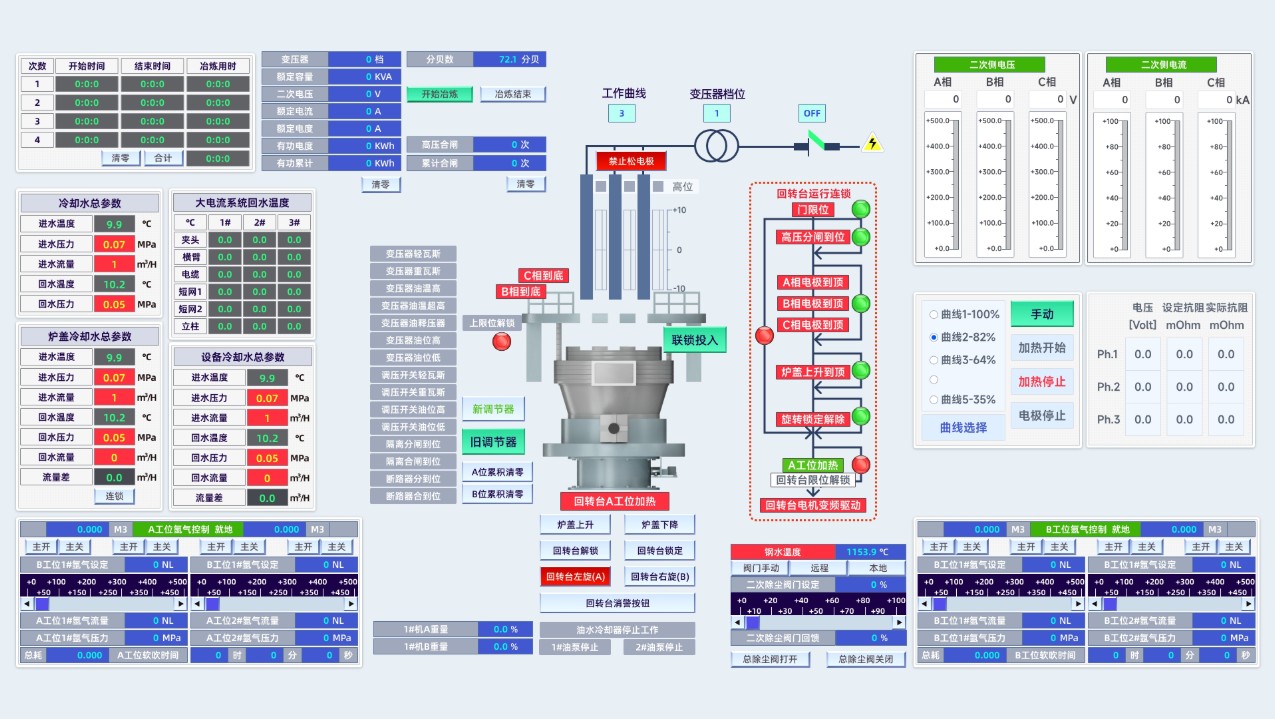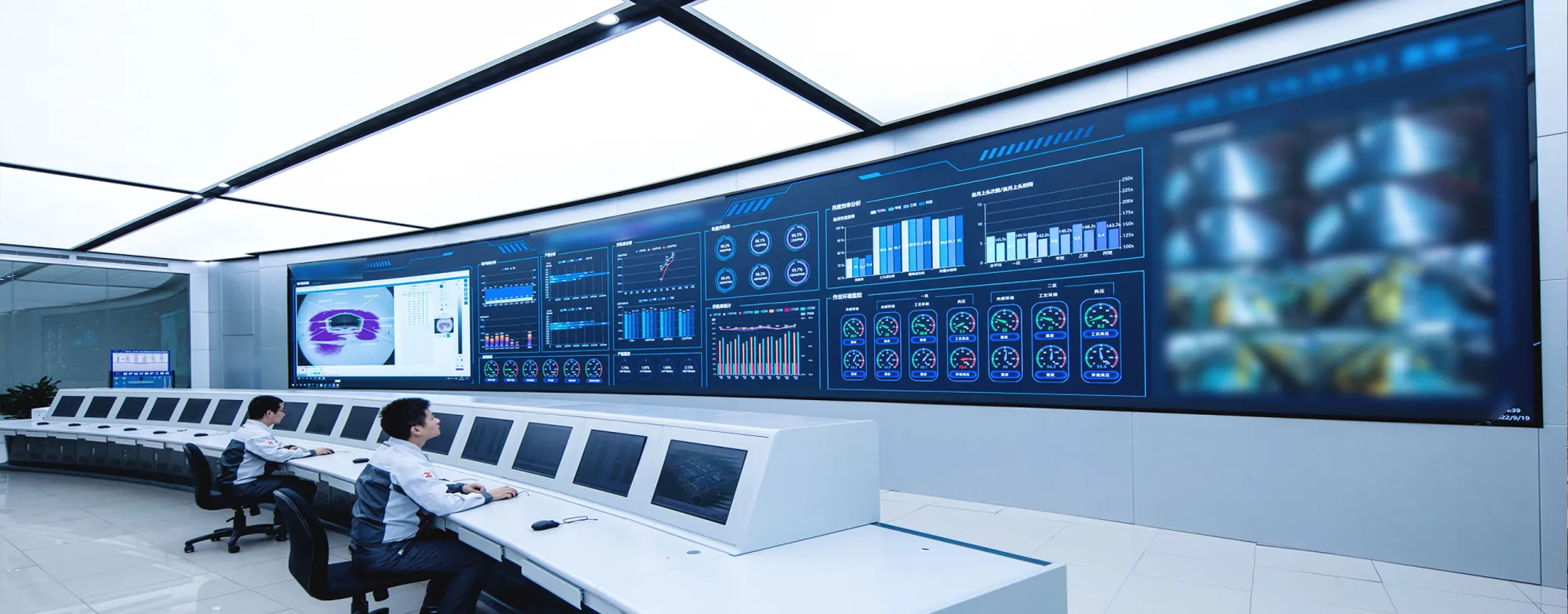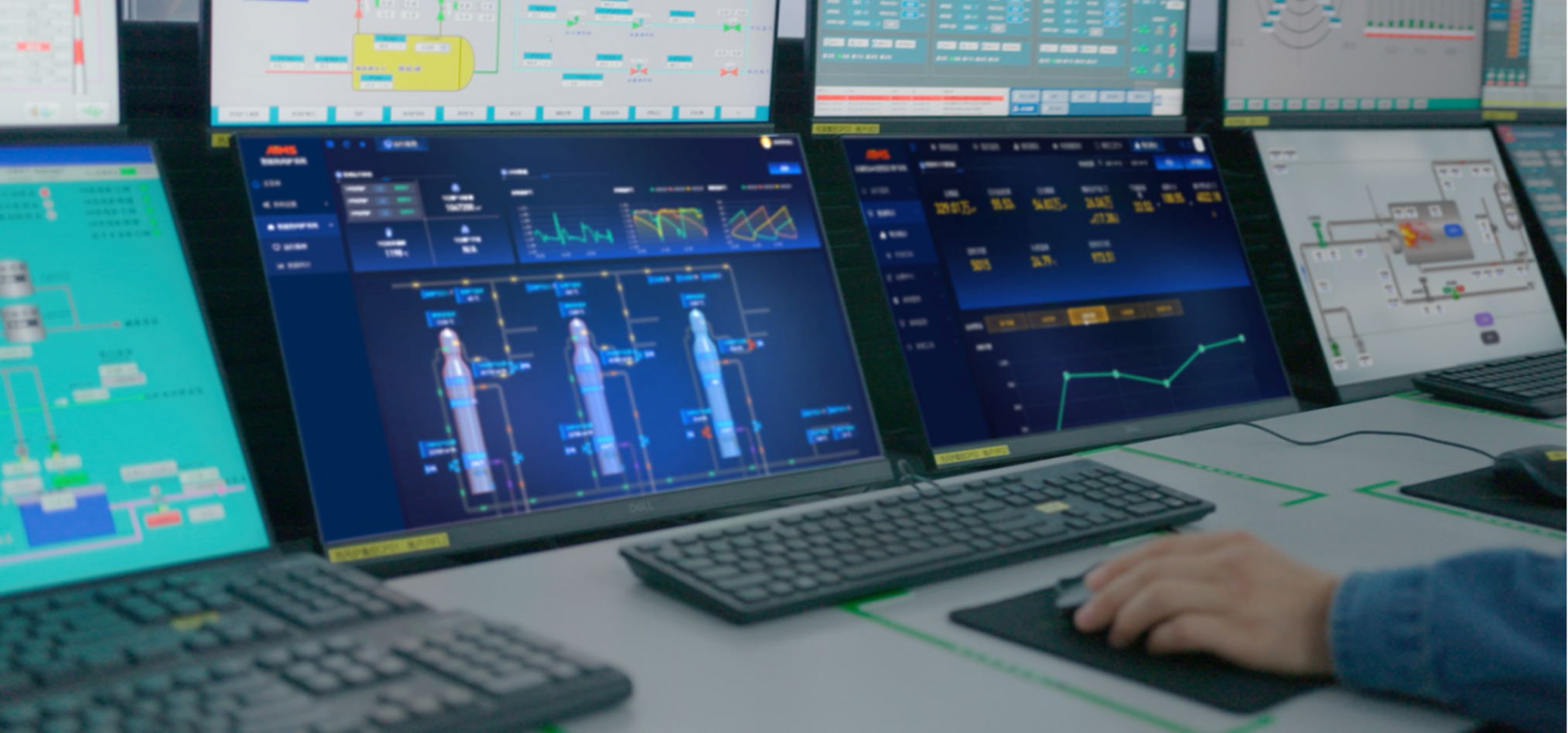
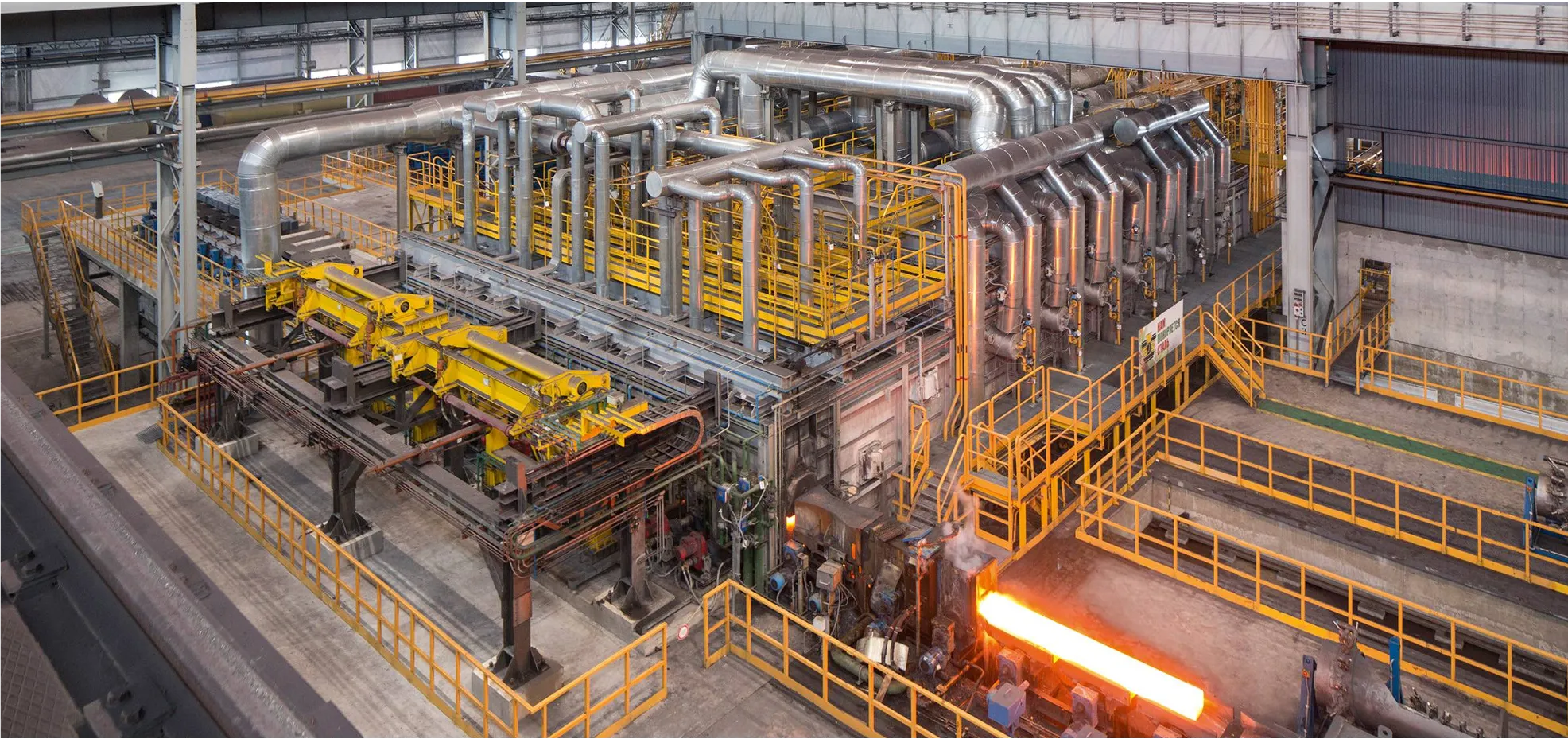
It runs through the five major processes of ironmaking, ironmaking, steelmaking, steel rolling and power generation, with the intelligent furnace operating system as the core, covering nearly 80% of all types of industrial kilns.
Stabilize the production rhythm and reduce fuel consumption
Stable combustion process and key temperature range
Collaboratively optimize key parameters such as gas, air and temperature
Deal with the disturbances caused by fluctuations in raw materials and changes in furnace conditions
Continuously optimize energy consumption levels under different production rhythms
Manual adjustment is highly dependent on human intervention and the control is unstable.
The furnace temperature fluctuates greatly, which affects the product quality.
High energy consumption and difficult to continuously optimize
Lag in control strategy under changing operating conditions
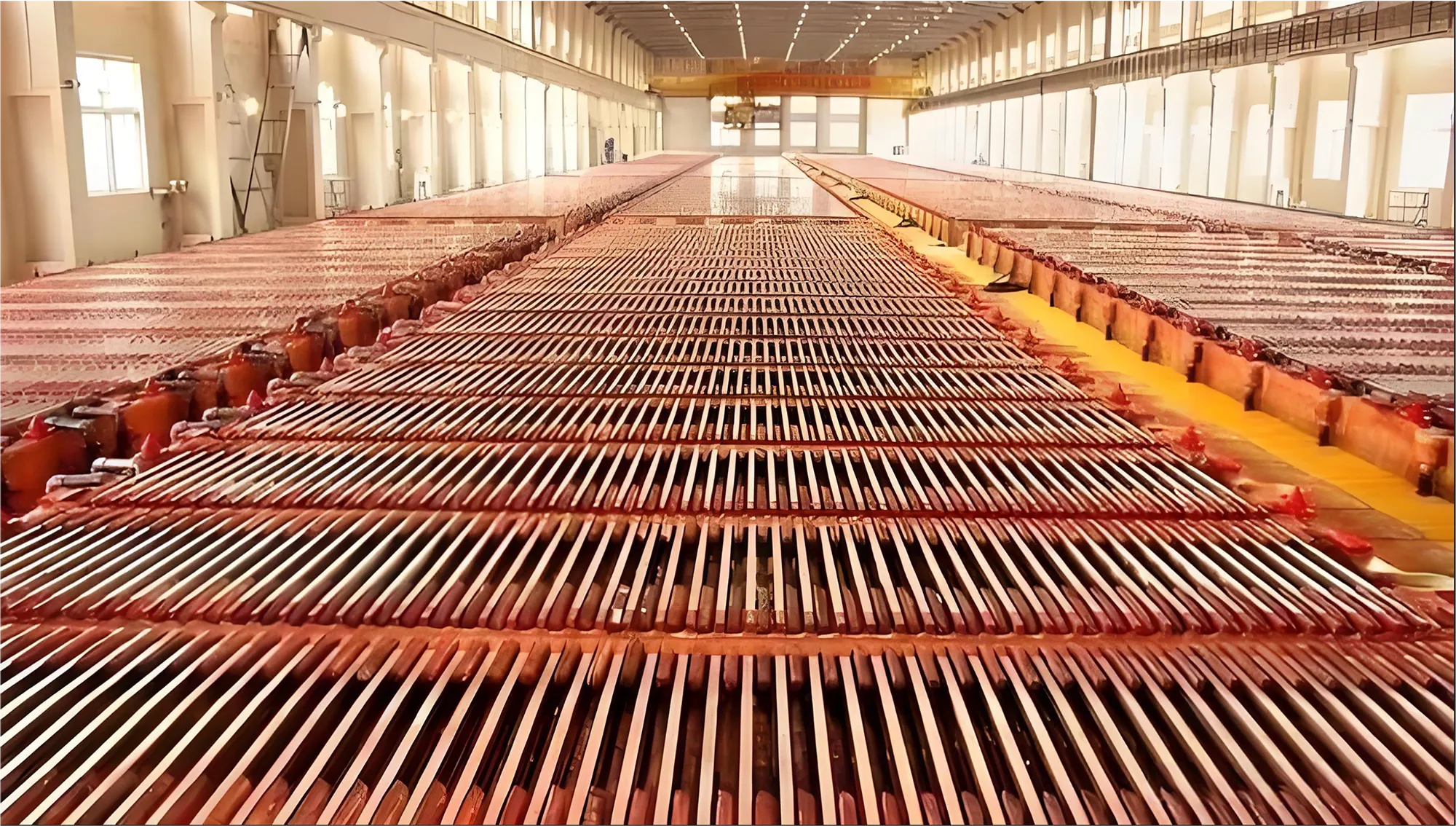
Electrochemical production such as copper electrolysis
Improve electrolysis efficiency and reduce unit electricity consumption
Stabilize the current and voltage states during the electrolysis process
Optimize current efficiency and electrolysis reaction process
Address the fluctuation effects caused by changes in working conditions
Reduce unit power consumption while ensuring quality
The control of current and voltage depends on experience
The electrolysis efficiency fluctuates greatly.
High unit power consumption
It is difficult to continuously optimize the process parameters.
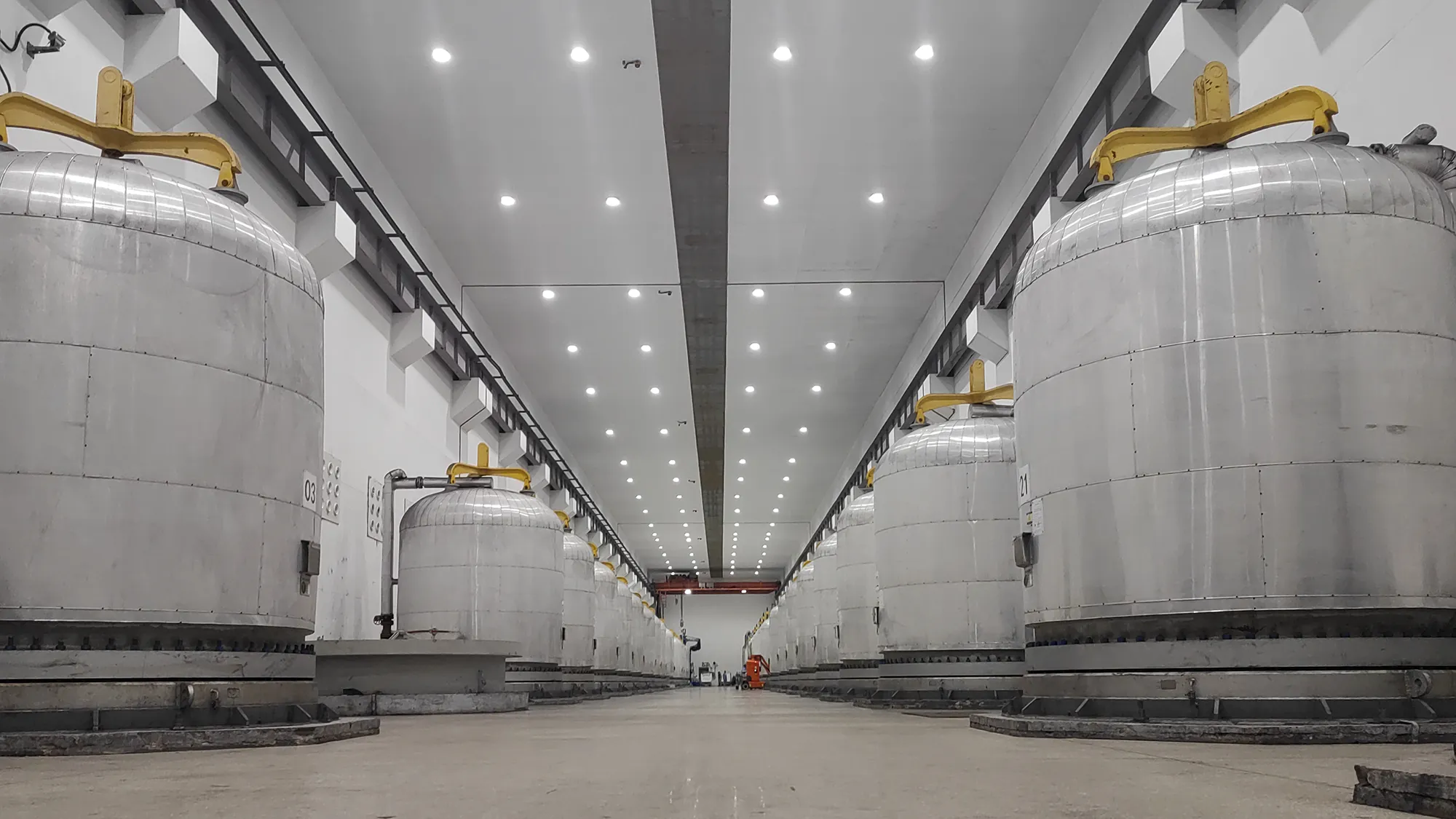
Reaction processes such as polycrystalline silicon reduction furnace
Improve reaction efficiency, reduce energy consumption and fluctuations
Stable reduction reaction process and key parameter range
Synergistic adjustment of multivariate parameters to improve reaction efficiency
Coping with the impact of changes in raw material and equipment status
Achieving dynamic balance between output and energy consumption
Large process fluctuations and poor product consistency
High energy consumption and unclear optimization space
Parameter adjustment relies on manual experience
Multi variable coupling is difficult to accurately control
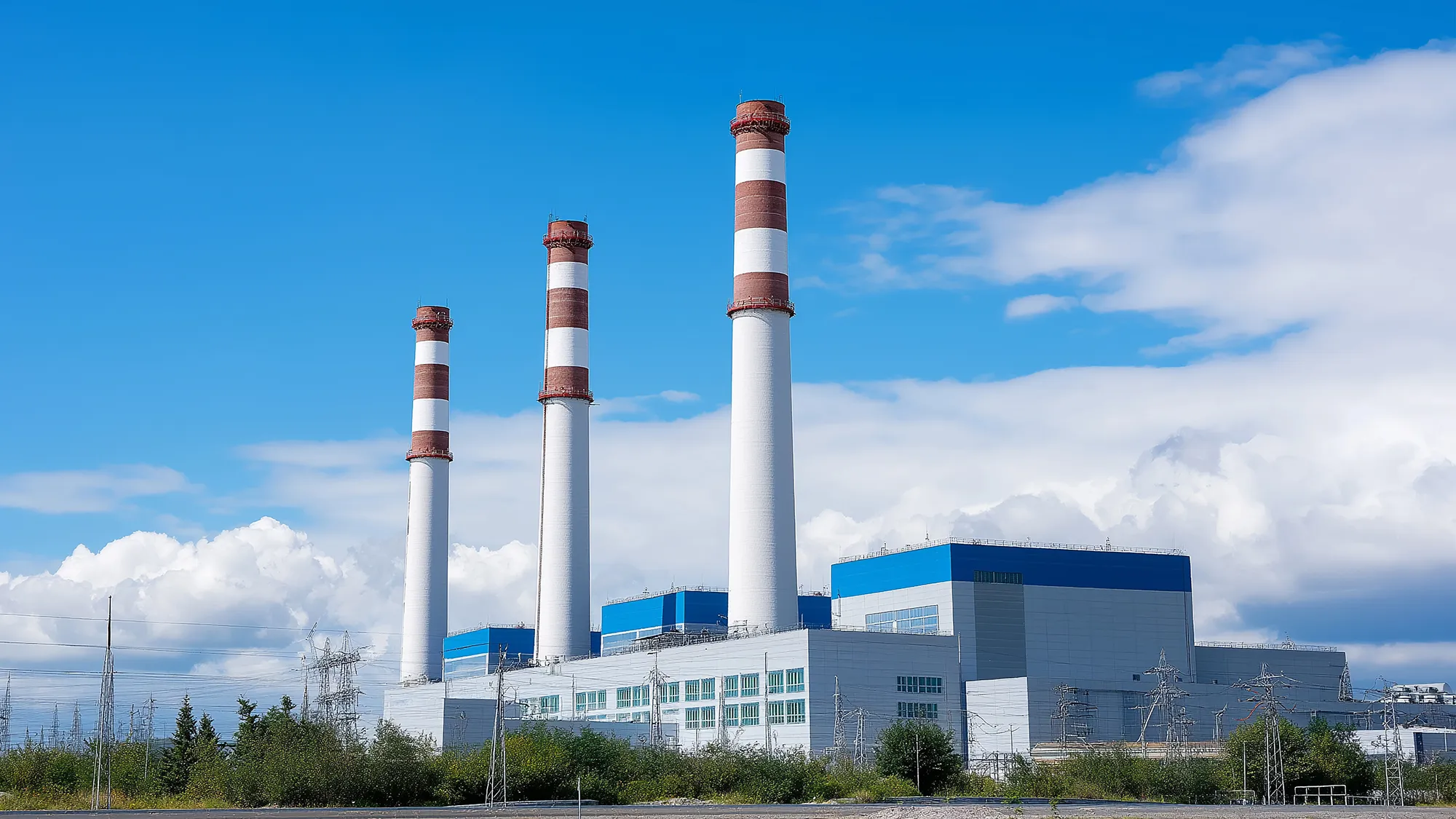
Power systems such as gas (natural circulation/DC) boilers, coal-fired (natural circulation/DC) boilers, circulating fluidized bed boilers, etc
Improve combustion efficiency and operational stability
Coordinated optimization and scheduling control of boilers throughout the plant
Adaptive furnace condition fluctuations and load changes
Multi objective coupled dynamic optimization control
Dynamic electricity price matching strategy
Low combustion efficiency and energy waste
Load fluctuations lead to unstable operation
Manual adjustment response lag
Lack of sustained means for energy efficiency optimization


6F-7F, Building A1, Zhong'an Chuanggu, No. 900 Wangjiang West Road, Shushan District
Postal code:230088
No. 777, Sizhuan Road, Songjiang District
Postal code:201619
Building 1, Yongqi Garden, North Street, Yonglian Town, Nanfeng Town, Zhangjiagang City
Postal code:215600
1st Floor, Building C, Talent Island Technology Industrial Park, Pengjiang District
Postal code:529095
The 9th Tower A, 35th Floor, 33/4, Rama 9 Road, Huai Khwang Sub-District, Huai Khwang, Bangkok, Thailand


Tel