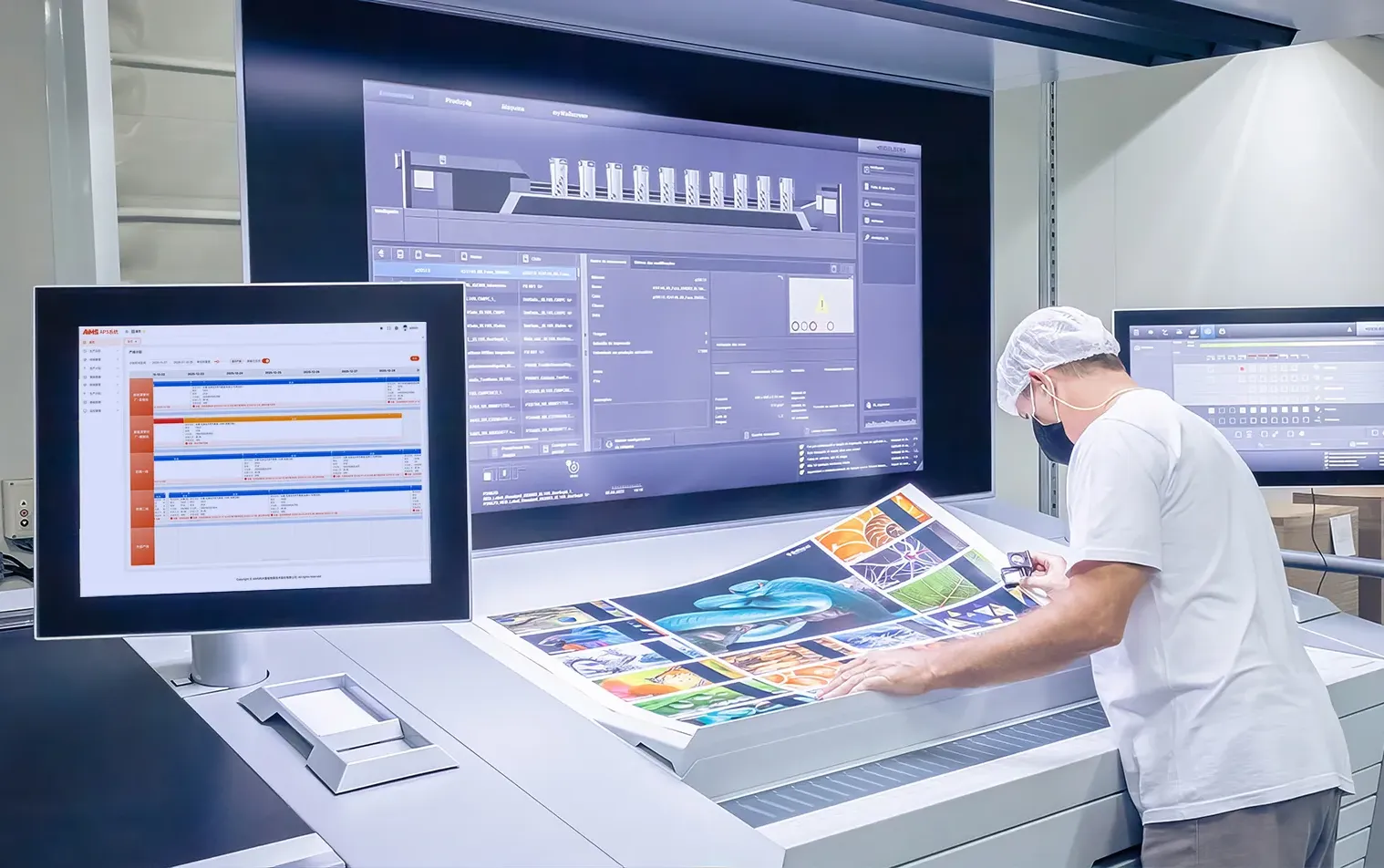
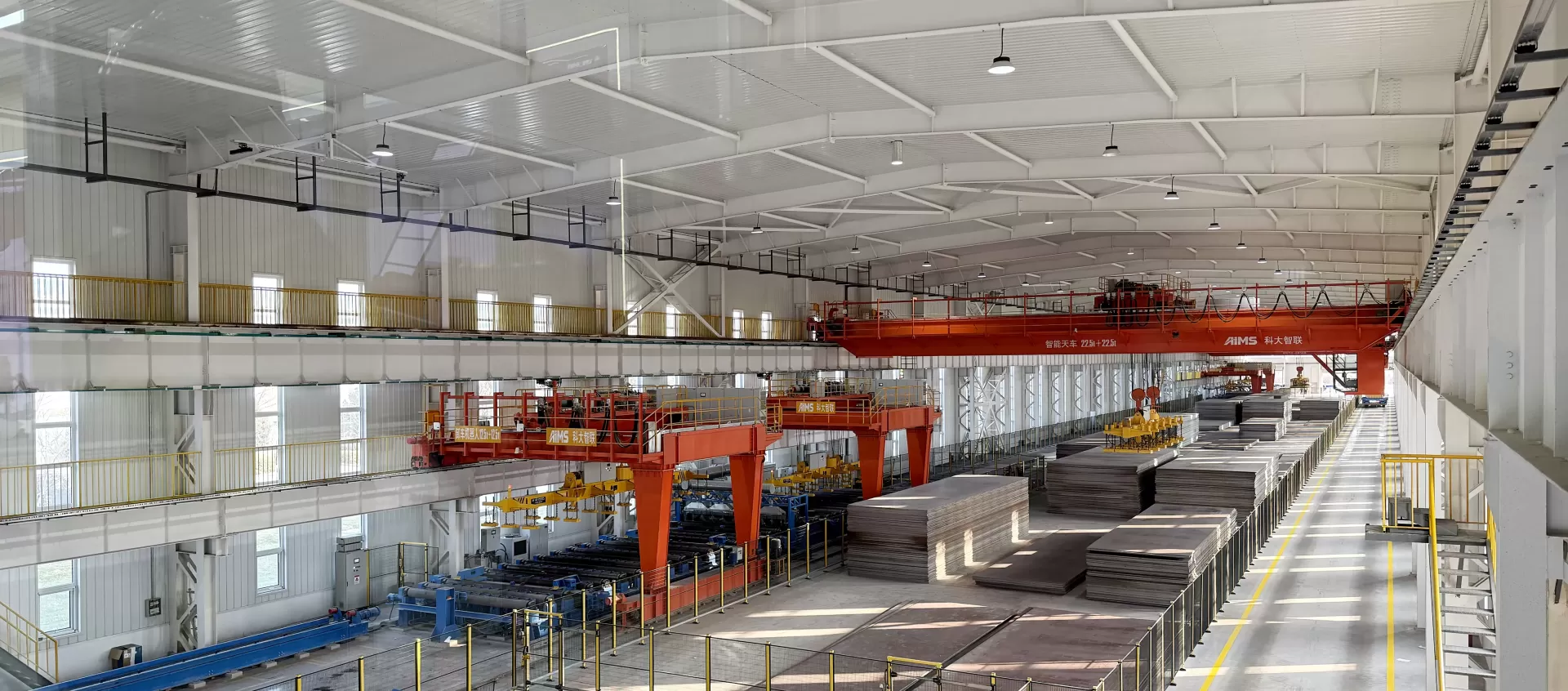
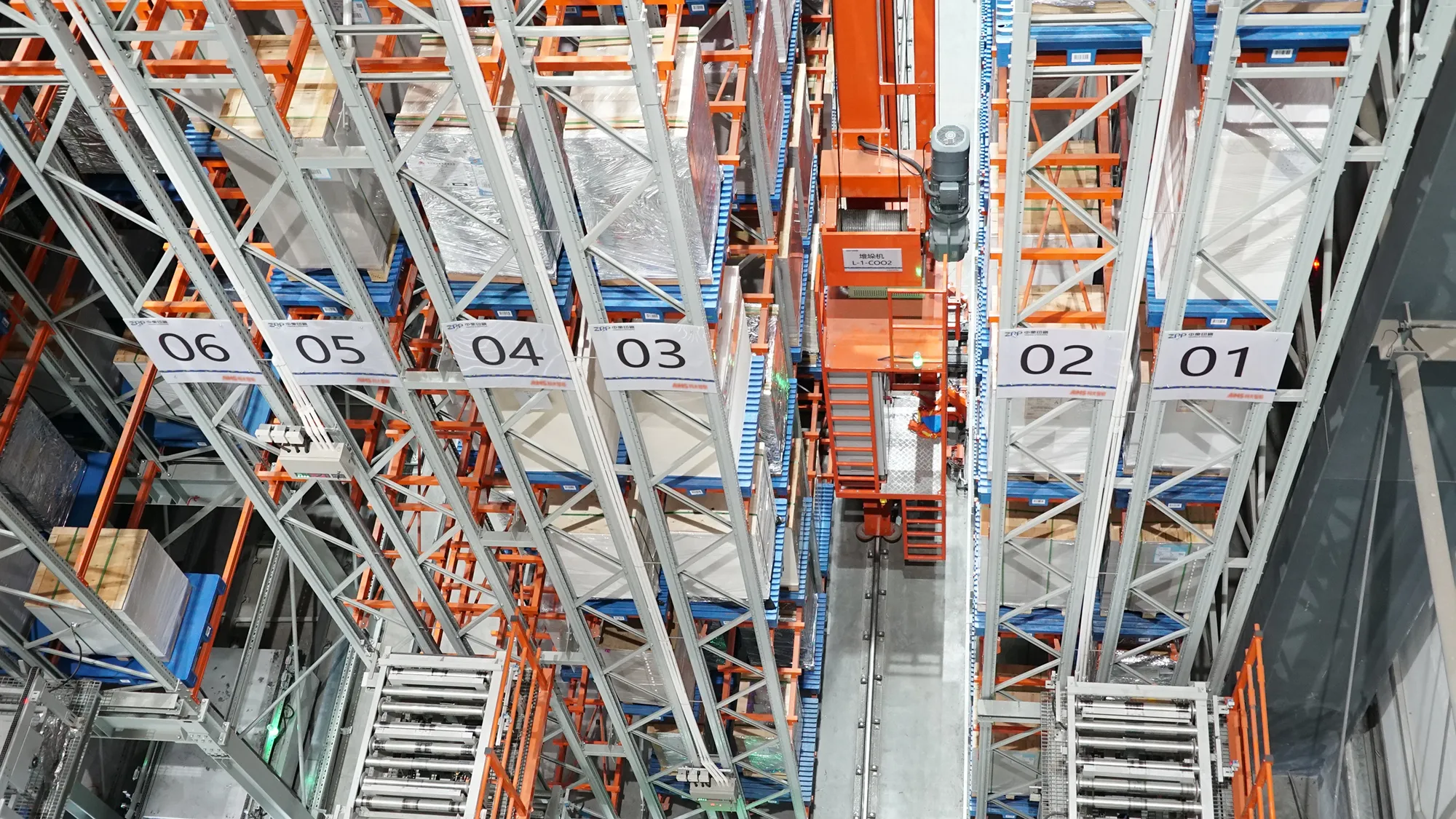
Dynamically optimize and adjust production plans and schedules based on available production resources and order demand, ensuring a controllable production rhythm and deliverable commitments.
Generate feasible, executable and dynamically adjustable production plans under multiple constraints to improve on-time delivery performance.
Dynamic optimization and adjustment of existing production schedules
Rapid response to rush orders, rescheduling and rolling plans
Capacity-balancing analysis and delivery-date assessment
Support for master production scheduling (MPS) and finite-capacity scheduling (APS)
Production plans that lack feasibility and require frequent adjustments
Slow response to rush orders and urgent demand, affecting overall delivery performance
Capacity and resource imbalances that create frequent scheduling conflicts
Heavy reliance on manual, experience-based planning, reducing efficiency and consistency
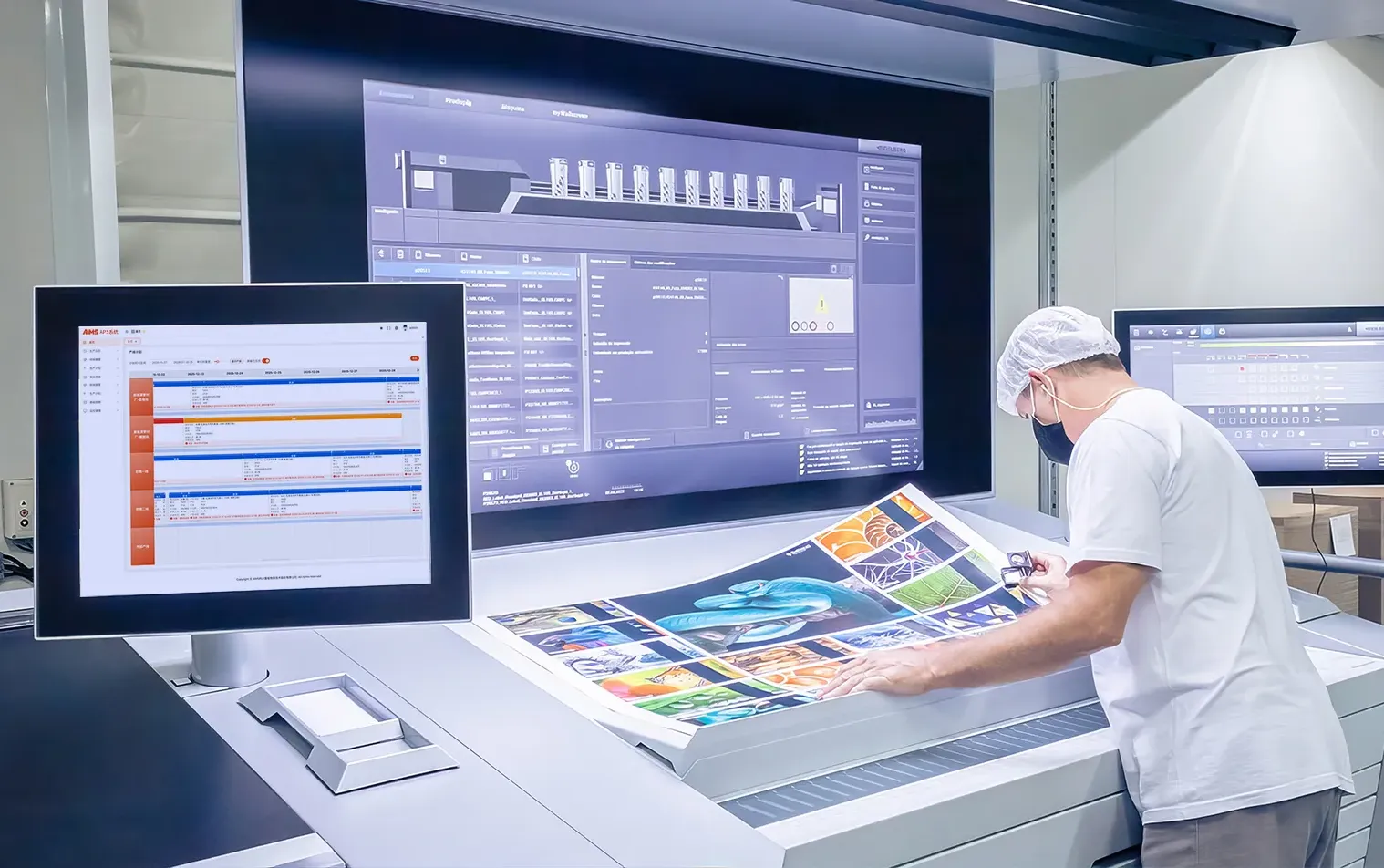
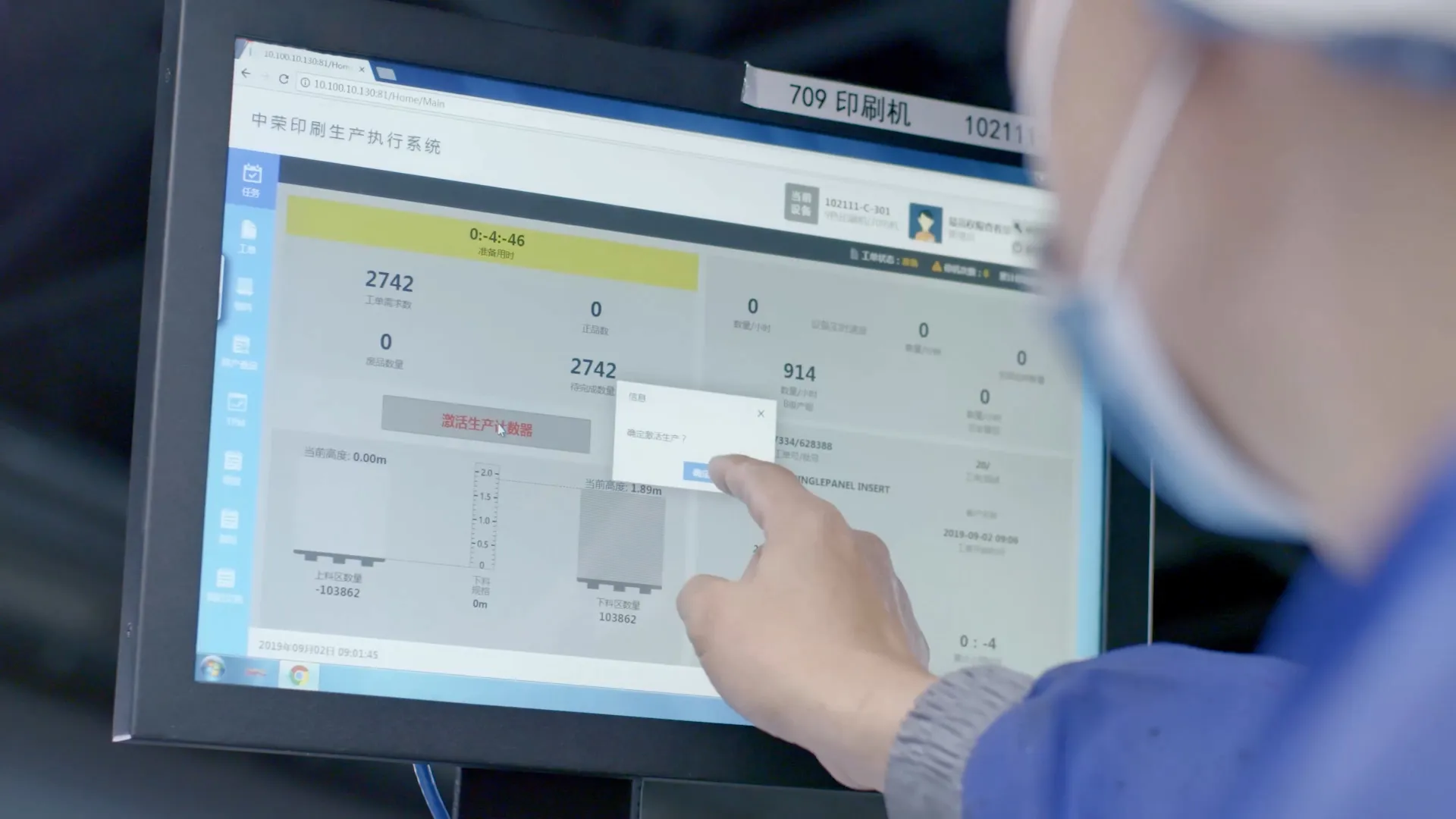
Convert the production plan into executable work orders, and conduct real-time scheduling and management of personnel, machinery, materials and methods at the production site, ensuring that the production process proceeds according to the plan.
Ensure that production proceeds as planned
Realize the ability to monitor the execution process and the capability to intervene in case of abnormalities.
Work order issuance and process scheduling
Automatic material calling and automatic work reporting
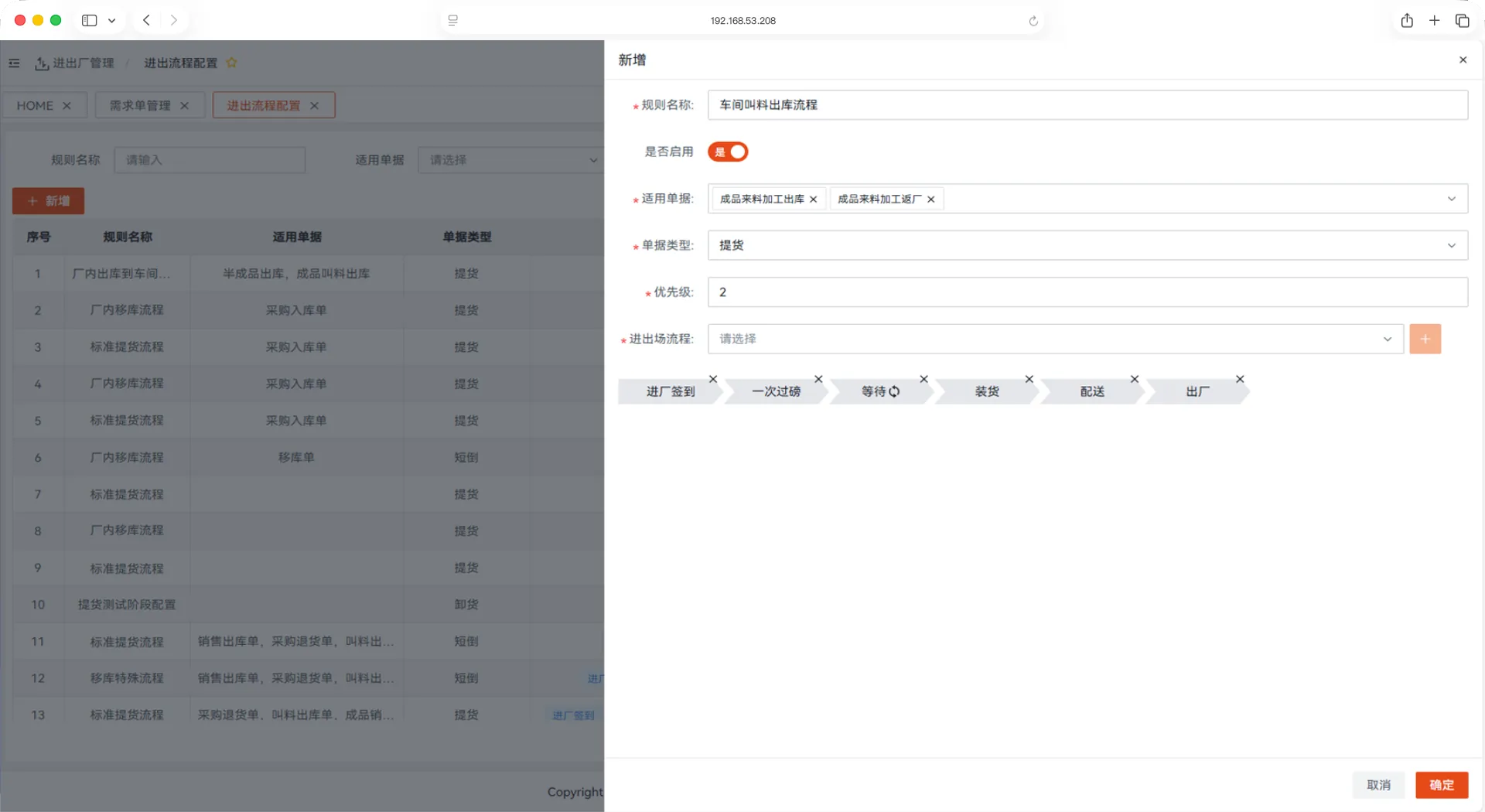
Process path switching
Equipment / Personnel / Mold Resource Coordination
Exception handling (shutdown, material shortage, response to out-of-stock orders)
Real-time management of the quantity, location and status of work-in-progress (WIP)
Execution is disconnected from the plan.
Low efficiency in resource coordination
Exception handling is not timely
The production process is not visible.
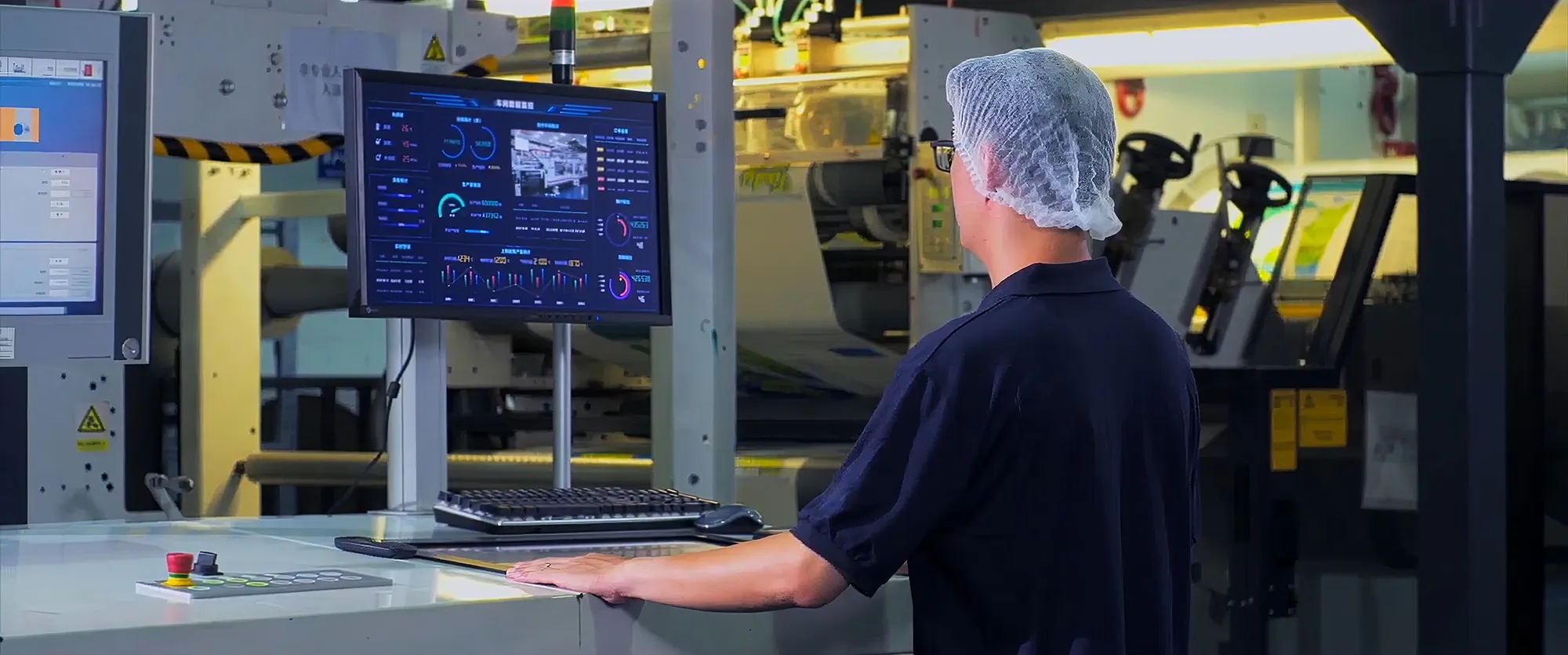
In response to scenarios such as heterogeneous production equipment, scattered data, and isolated information, through the digital transformation of equipment, data collection and standardized processing, a unified equipment data foundation is constructed to provide real-time, accurate and reliable data support for various business systems in manufacturing operations.
Establish a unified, real-time and trustworthy data foundation for production equipment
Connect the equipment, systems and business data to achieve comprehensive digital perception of the production process.
To provide stable and high-quality data support for all business applications in manufacturing operations
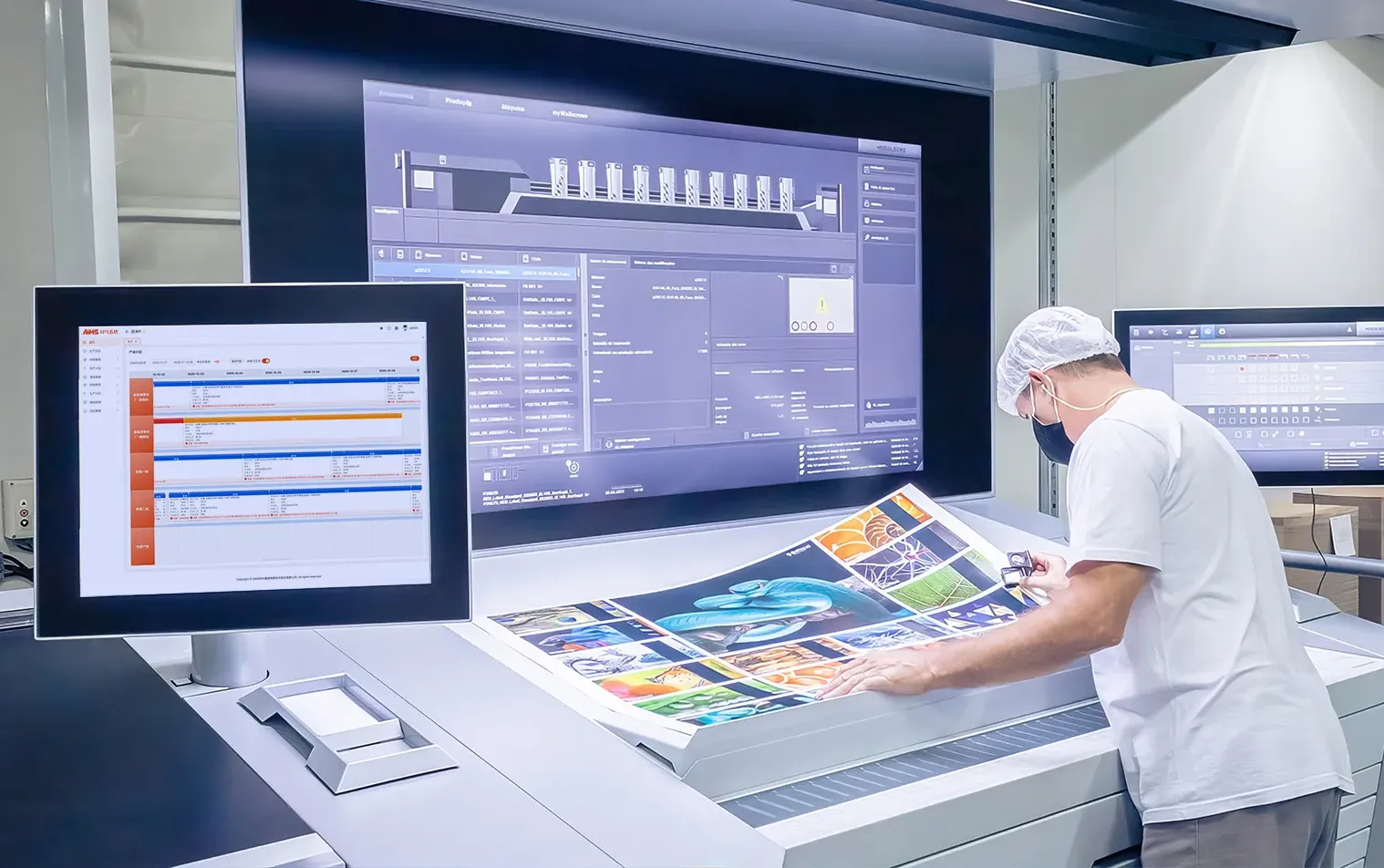
Machine control transformation (such as transformation of various printing machines)
Equipment data collection and analysis
OEE - Integrated Equipment Efficiency Management
The equipment data can not be collected, and the collection is difficult
The issue of inconsistent agreements for multiple brands and models of devices
The problems of delayed, opaque and difficult-to-analyze data at the production site
The problem of the lack of underlying data support for systems such as MES, quality, equipment, and process
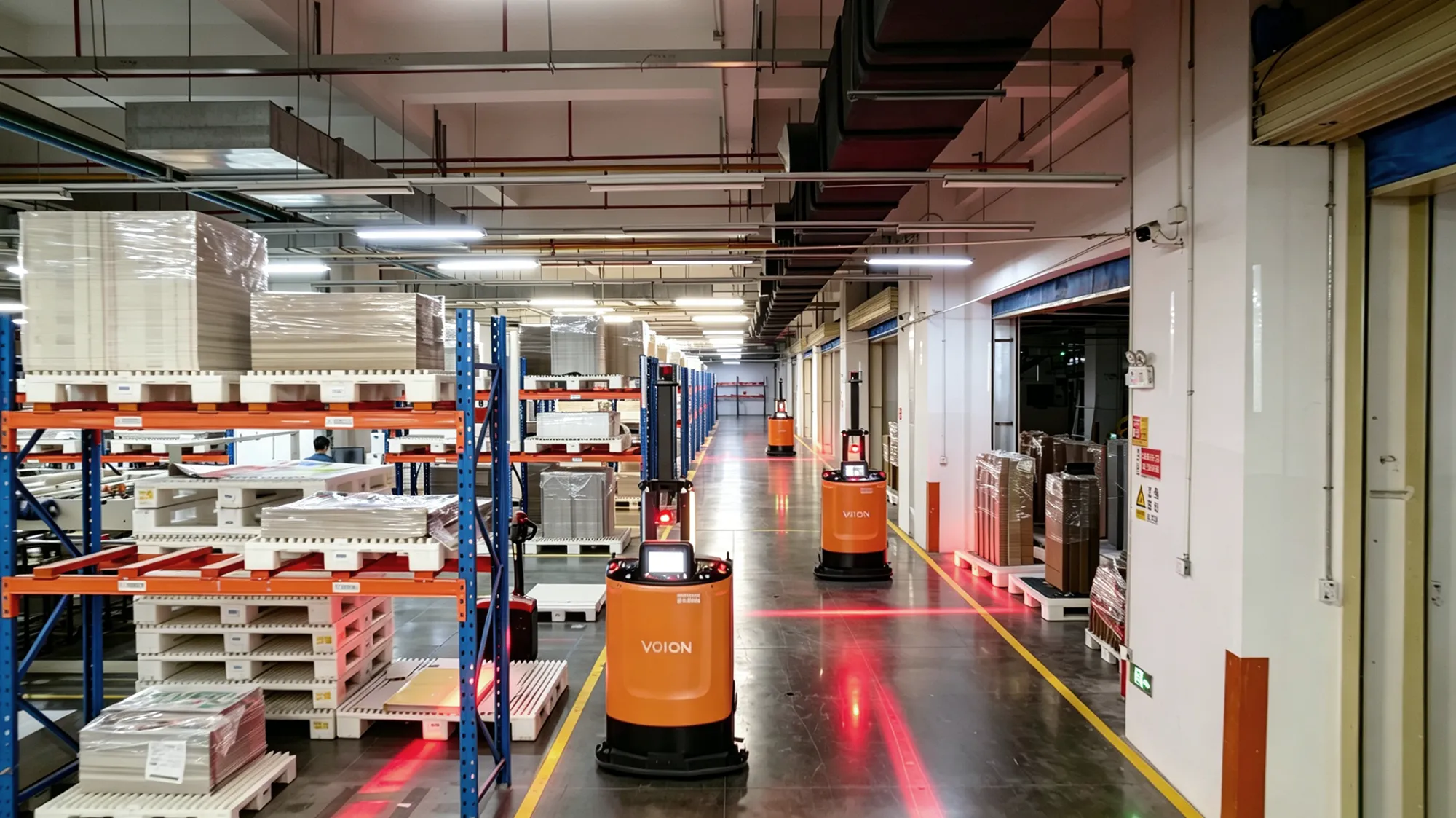
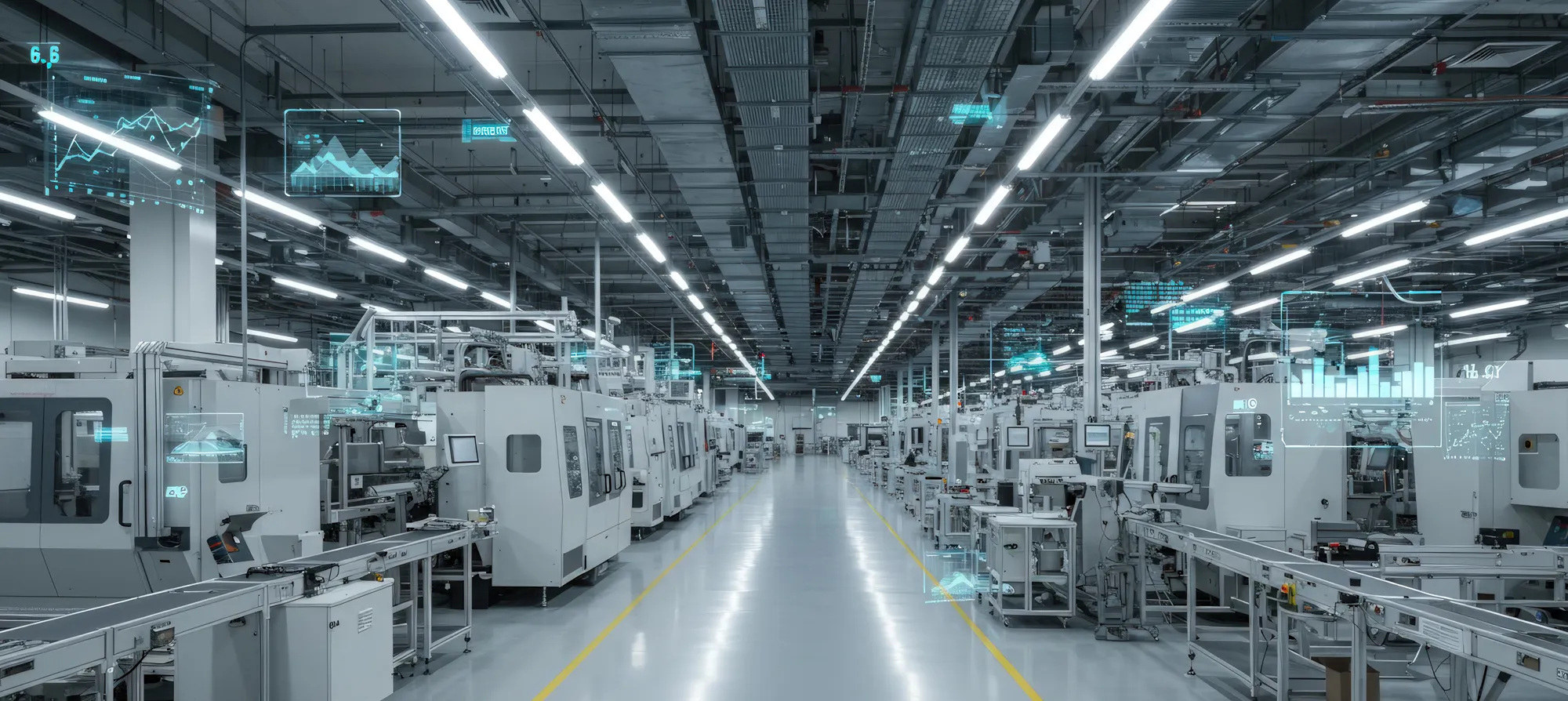
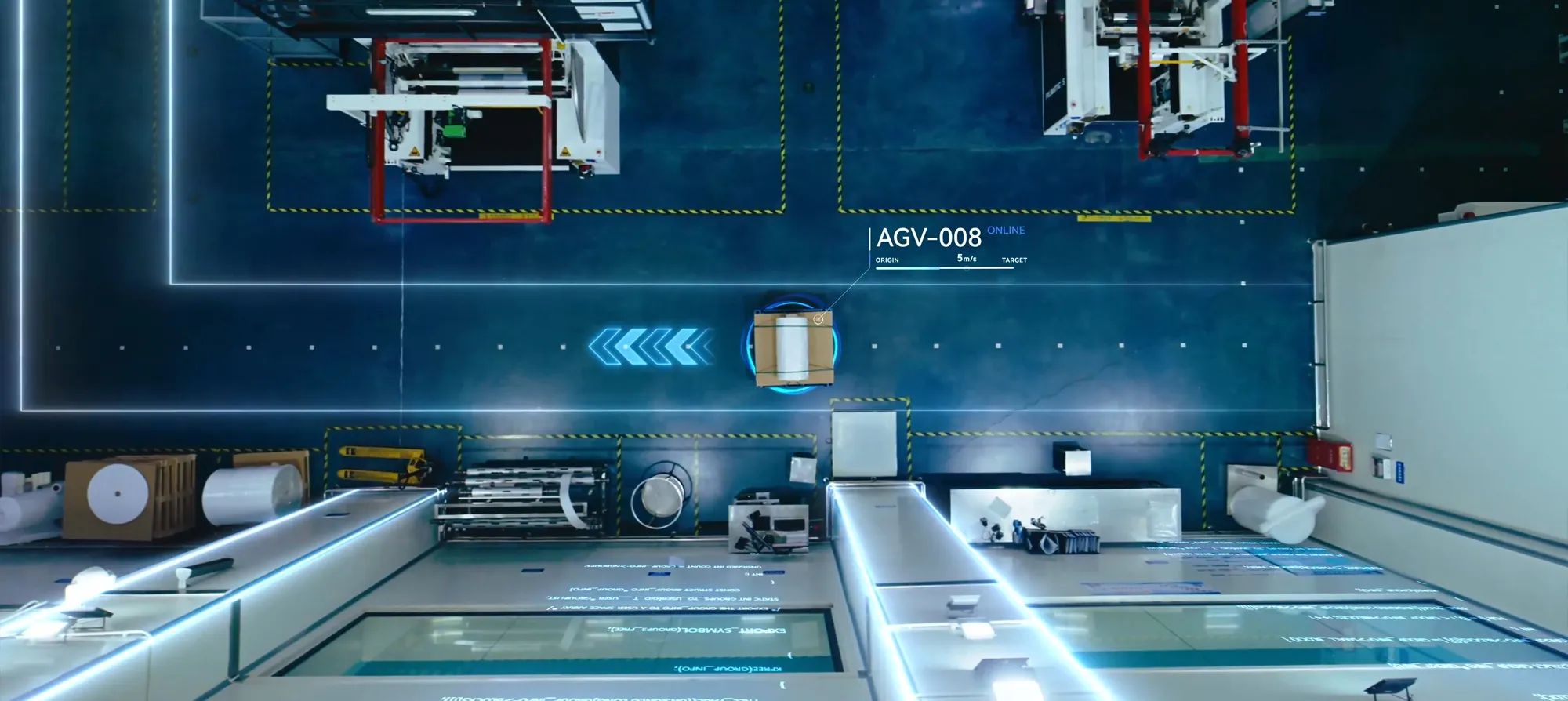
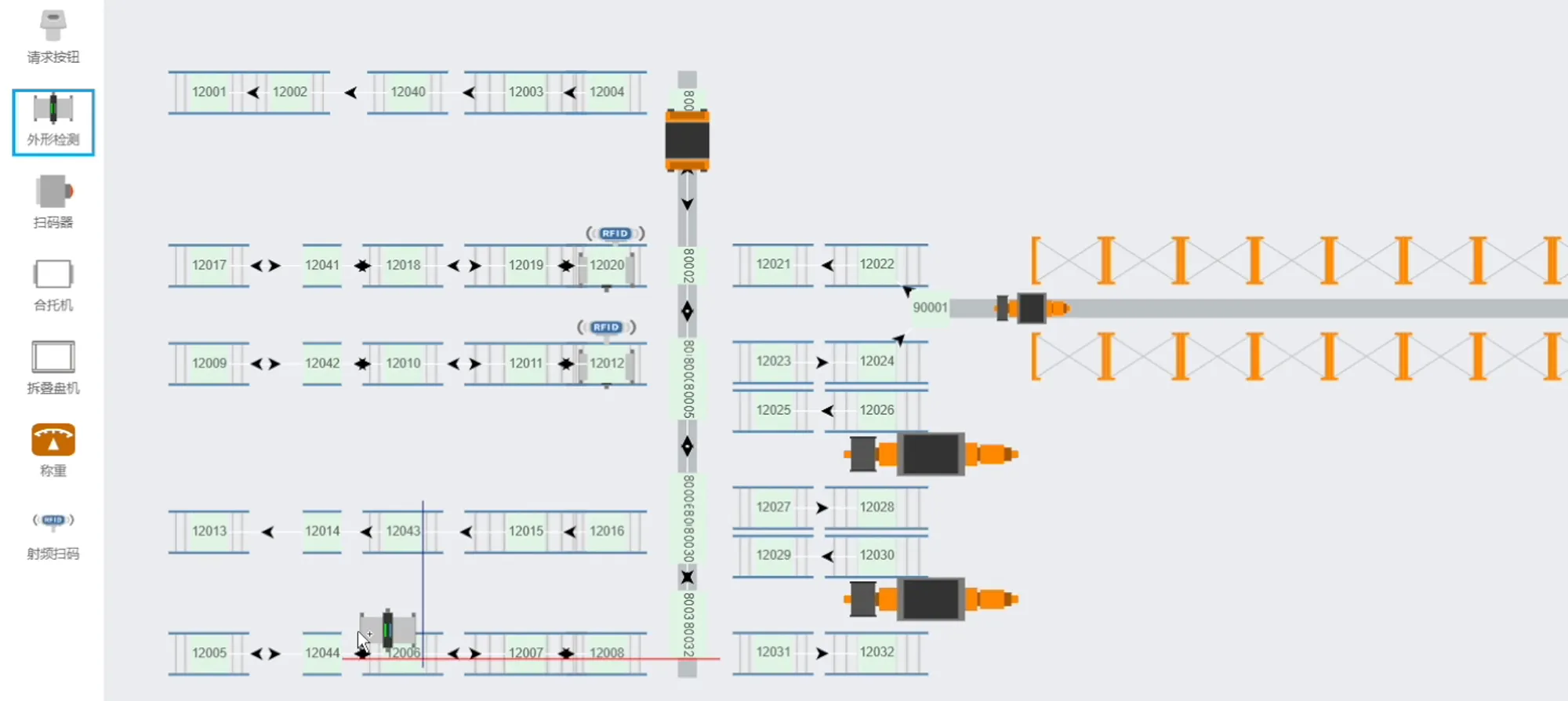
Integration of software and hardware to avoid integration barriers and ensure underlying collaboration. covering the entire product line to achieve global collaborative scheduling; The end-to-end production logistics is integrated to achieve just-In-Time (JIT) precise fulfillment
Real-time perception and second-level decision-making, quickly generating the optimal solution; Full-chain deep collaboration, dynamically adapting to business changes; Flexible production capacity, ensuring the stability of order delivery.
Modular reusable base, reducing redundant development; Low code rapid construction, "low threshold" rapid adaptation; Real time data-driven algorithm self optimization, smooth system upgrade


6F-7F, Building A1, Zhong'an Chuanggu, No. 900 Wangjiang West Road, Shushan District
Postal code:230088
No. 777, Sizhuan Road, Songjiang District
Postal code:201619
Building 1, Yongqi Garden, North Street, Yonglian Town, Nanfeng Town, Zhangjiagang City
Postal code:215600
1st Floor, Building C, Talent Island Technology Industrial Park, Pengjiang District
Postal code:529095
The 9th Tower A, 35th Floor, 33/4, Rama 9 Road, Huai Khwang Sub-District, Huai Khwang, Bangkok, Thailand


Tel