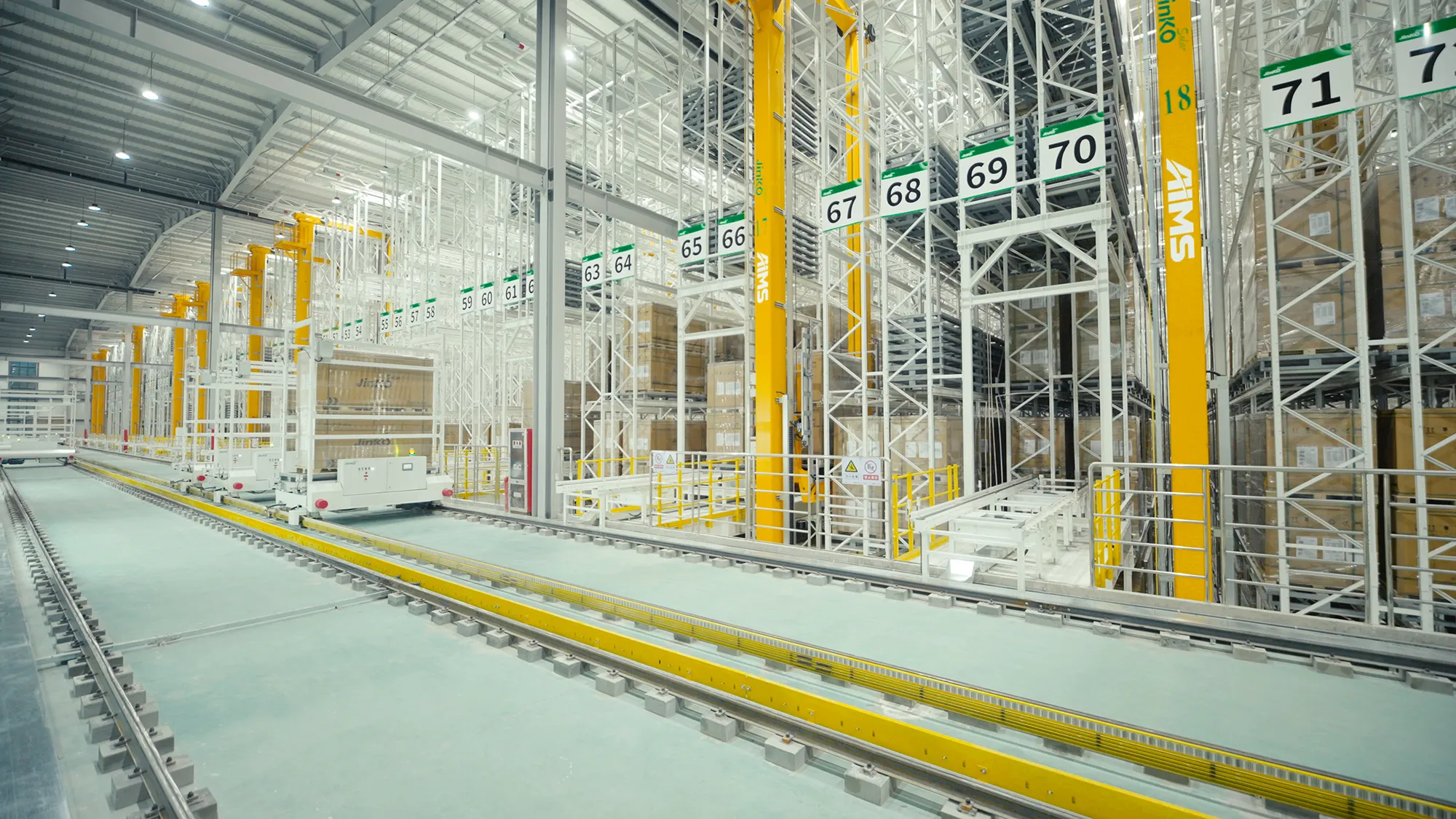
Manages the entire material flow from inbound receiving through outbound delivery to line-side locations. It is the critical link that moves materials from storage into production.
Ensure materials are available on time while keeping inventory under control.
Warehouse Operations
- Goods receiving and intelligent storage-location assignment
- Lot management and first-in, first-out control
- Intelligent picking and route optimization
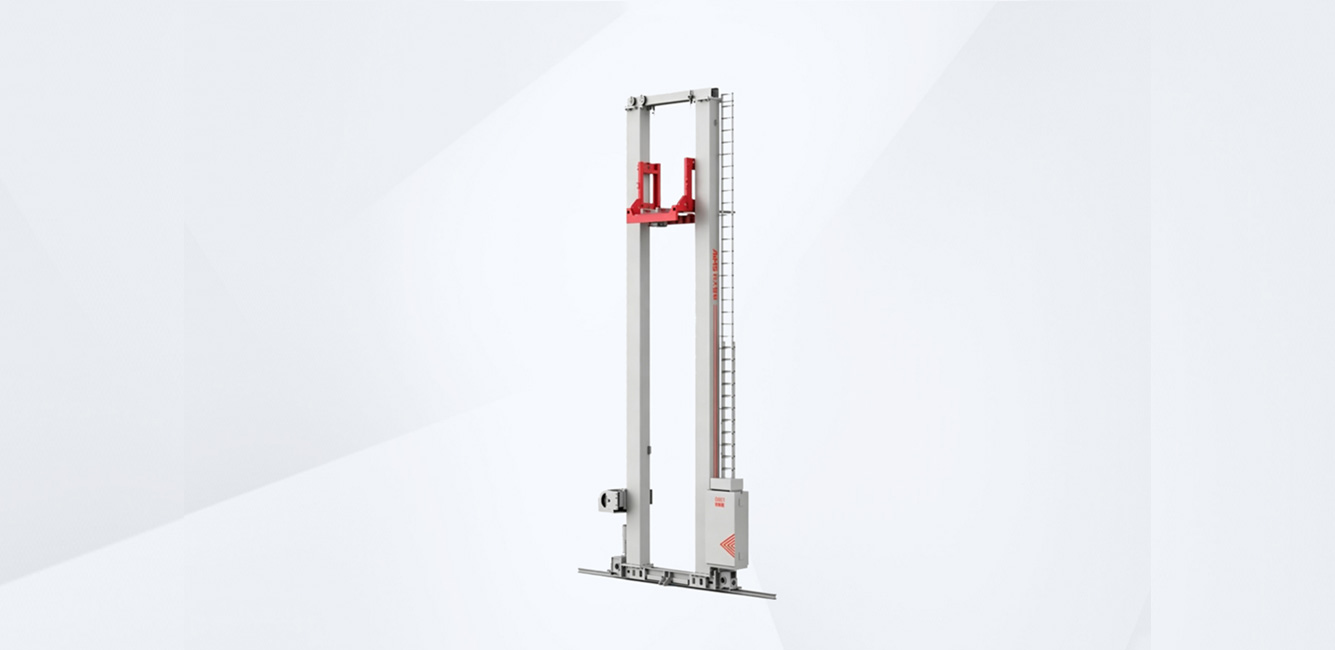
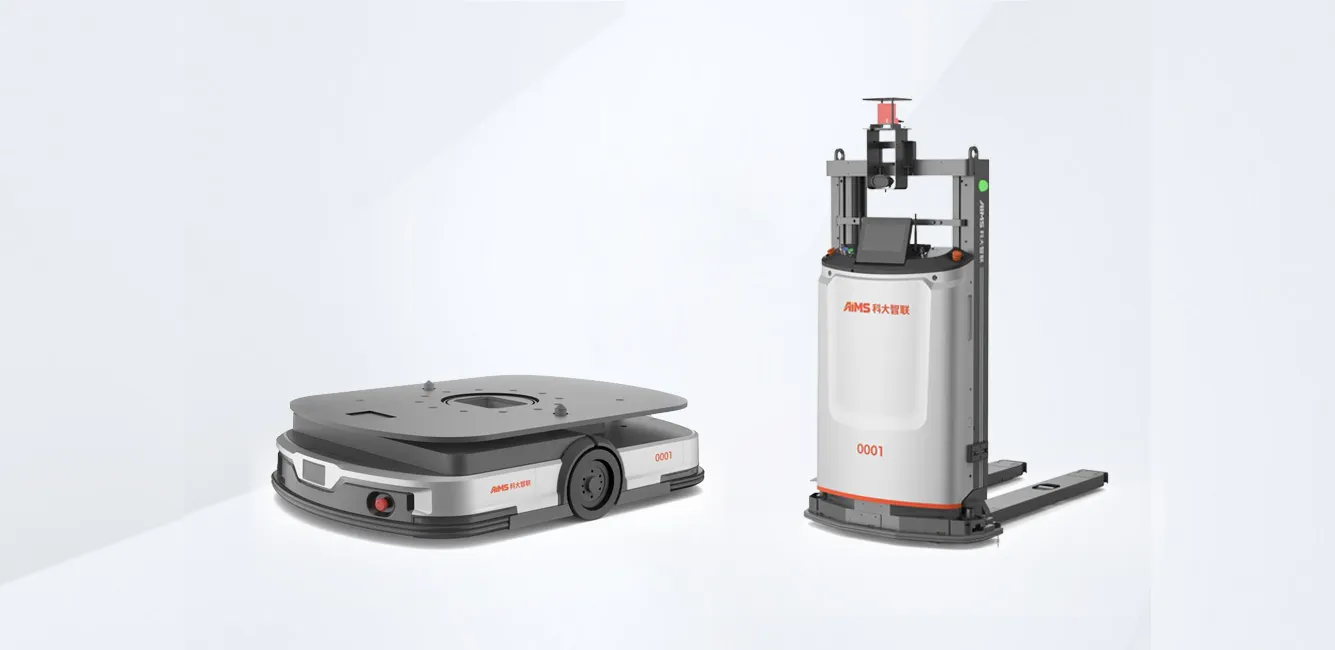
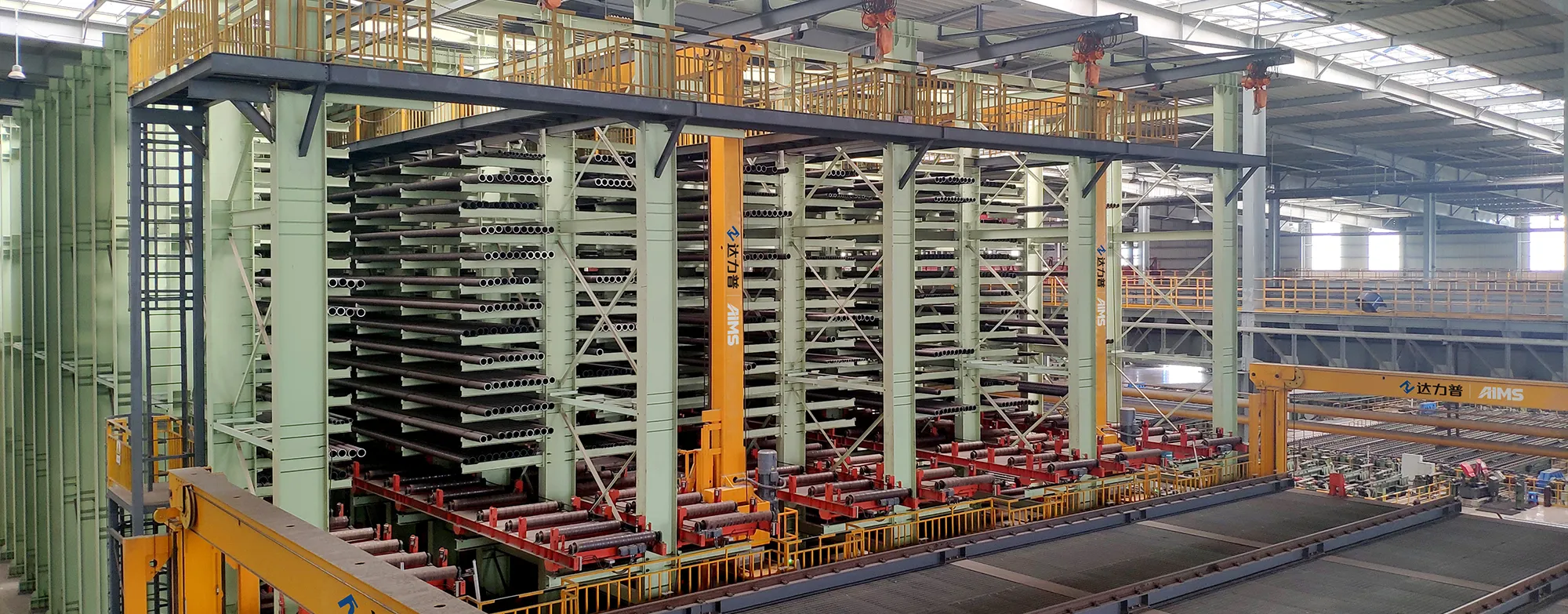
- Automated in-warehouse transport and scheduling for stacker cranes, four-way shuttles, AGVs and AMRs
- Order- and production-line-based sorting
- Outbound verification and delivery-accuracy assurance
Delivery Management
- Just-in-time line-side delivery through the LES
- Intelligent safety-stock control, including inventory alerts and replenishment triggers
Inventory Management
- Real-time, accurate visibility of locations, lots and quantities
- Unified management of all inventory data
Excess inventory
Delayed replenishment
Inefficient delivery routes
Excessive manual intervention
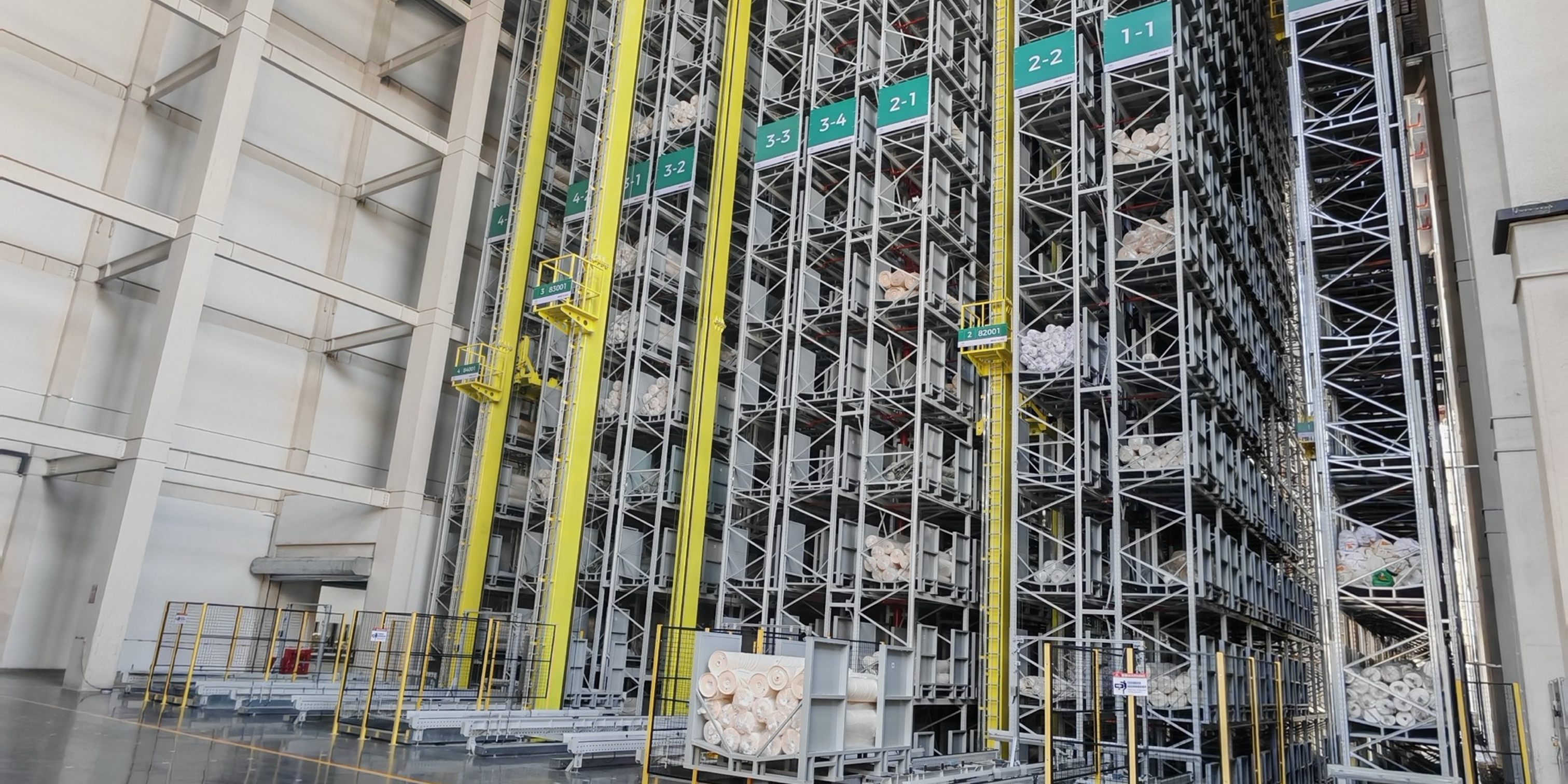
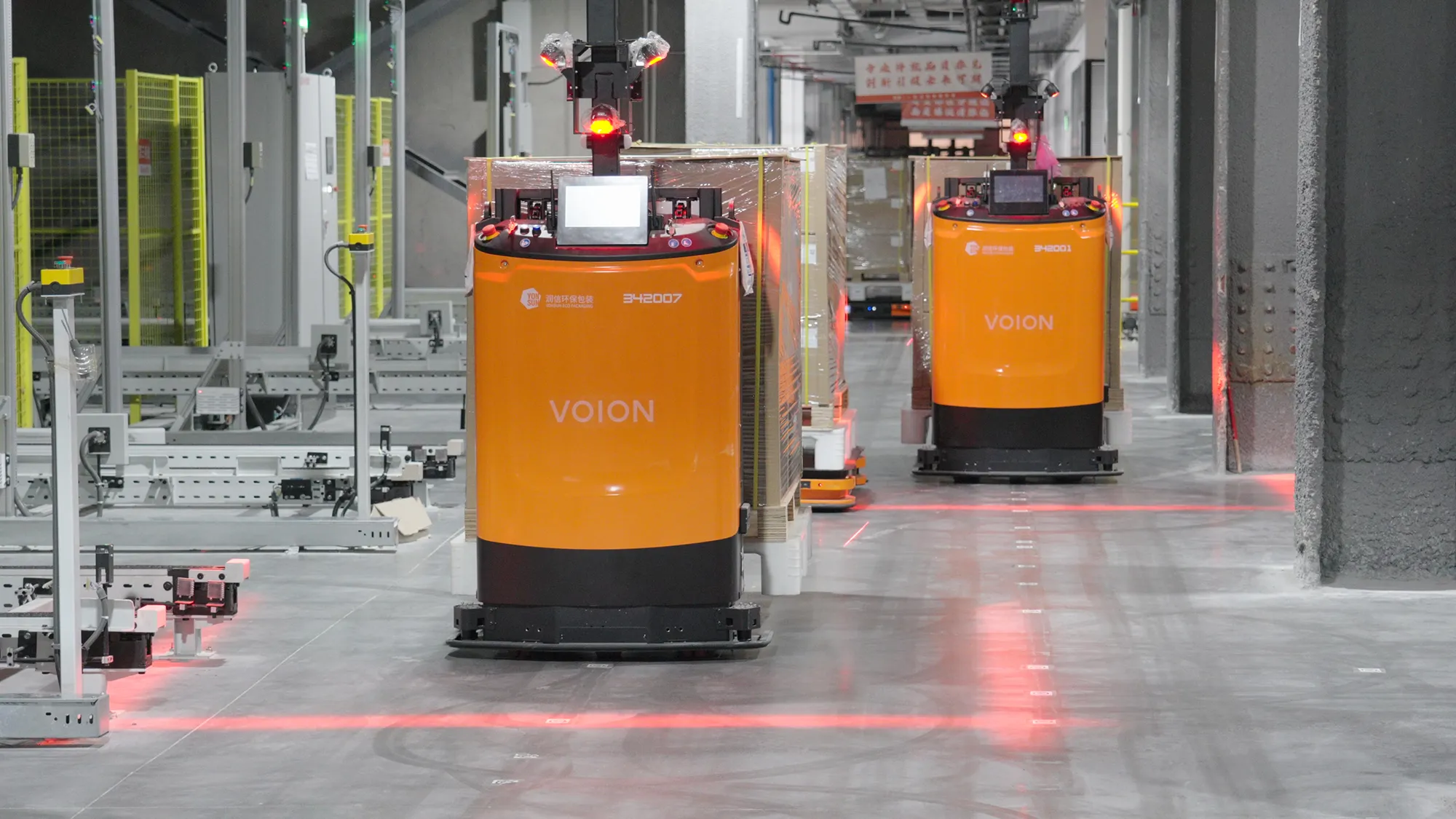
Manages the full flow of materials after they leave the line-side area and move between processes within the workshop. It is primarily an indoor operation, covering everything from inter-process transfer to semi-finished-goods buffering.
Align production takt and enable efficient turnover of semi-finished goods.
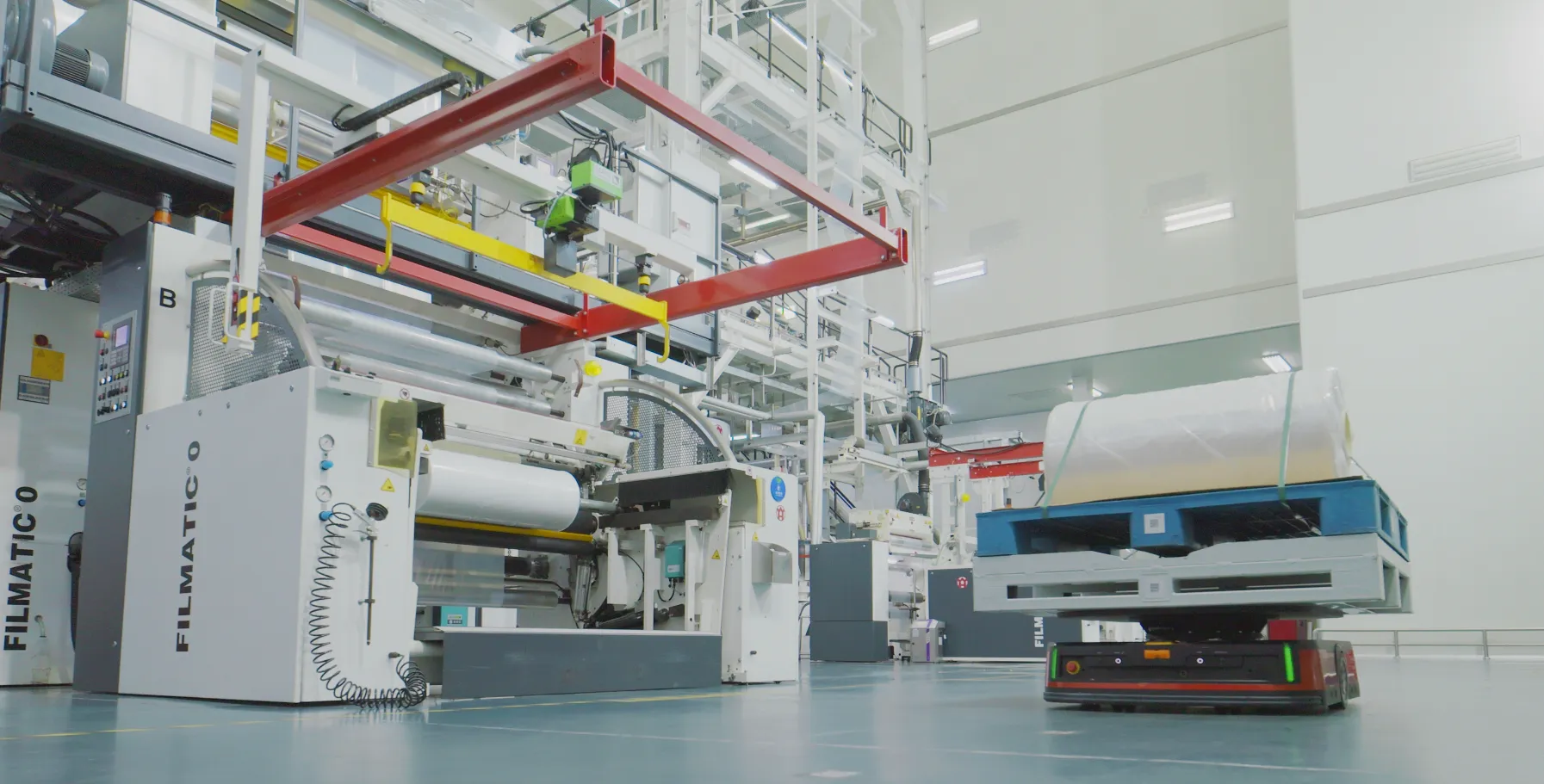
Inter-process material transfer and dispatching
Semi-finished-goods buffer management
Dynamic production-line takt matching
Exception-handling transfers, including rework and rush orders
Unified dispatching of multiple types of equipment within the workshop
Takt-time misalignment
WIP buildup
Slow response to exceptions
Frequent manual handling
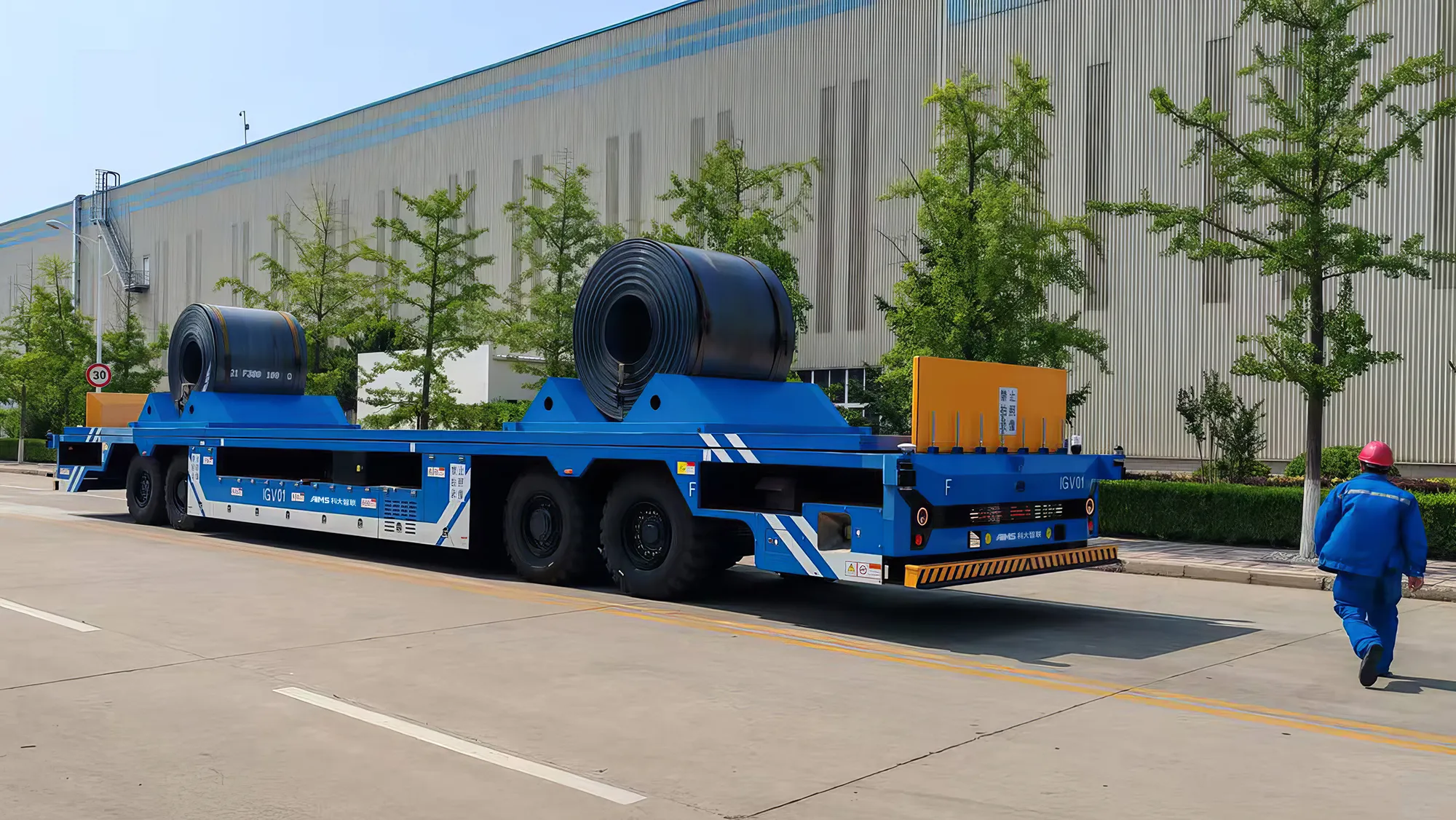
Manages material transfer and dispatching across plants and production buildings within an industrial site. Primarily supporting outdoor operations, it also coordinates personnel access and security to enable unified management of people, vehicles and goods.
Enable efficient dispatching across warehouses and workshops.
Material movement and dispatching across warehouses and production buildings
Dynamic route planning, including real-time route optimization, obstacle avoidance and congestion avoidance
Unified dispatching across multiple warehouse zones and workshops
Unified control of different types of logistics equipment
Coordinated personnel-access and site-security management
Fragmented warehouse operations
Low transfer efficiency
Route conflicts
Limited system coordination
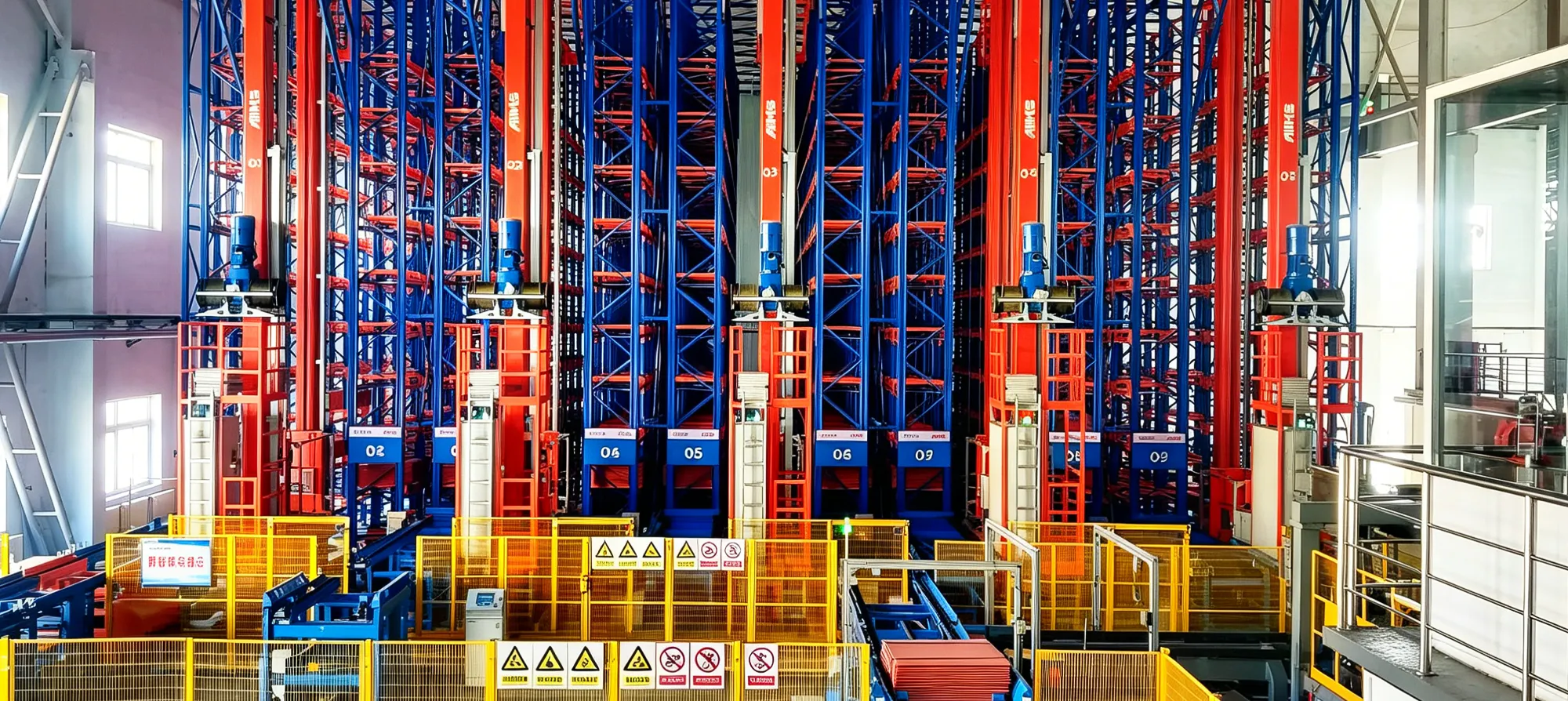
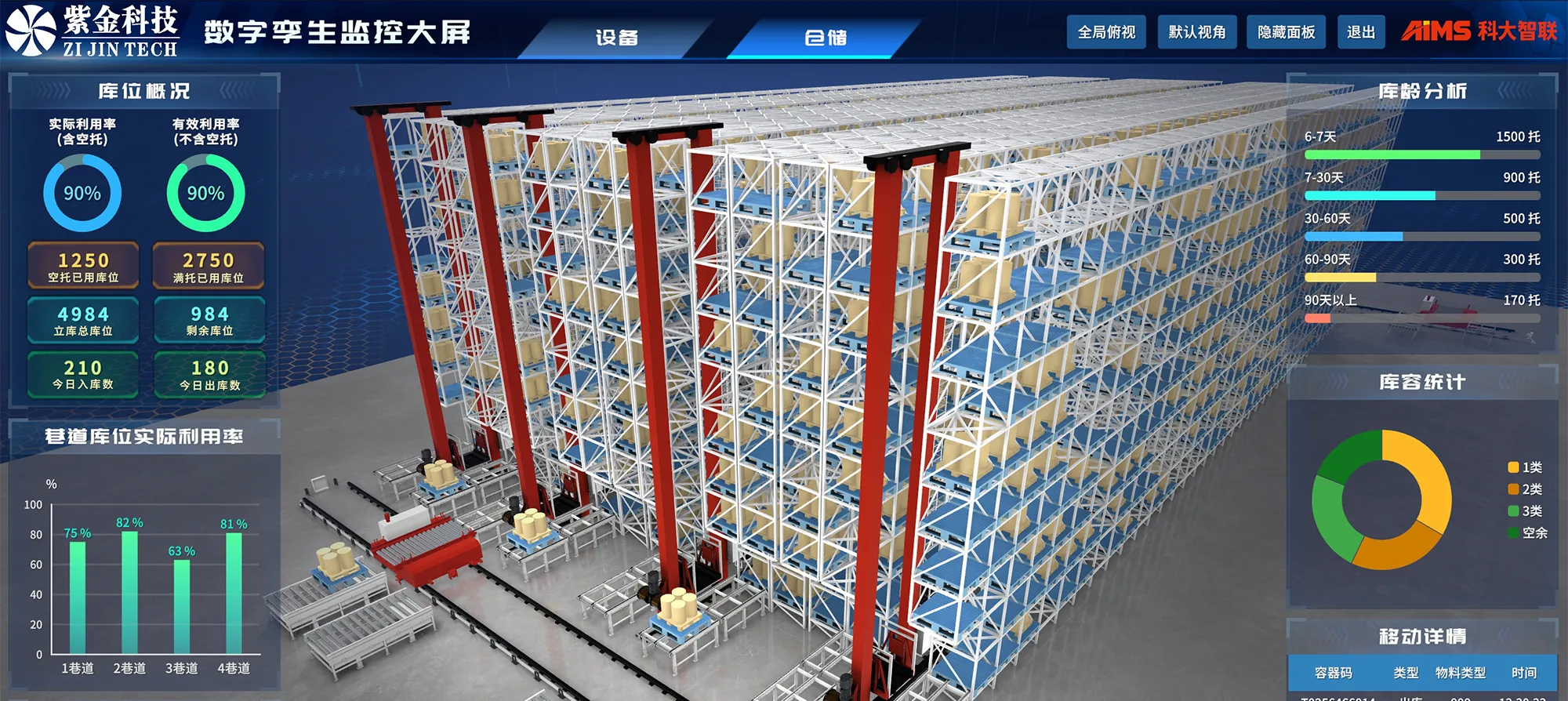
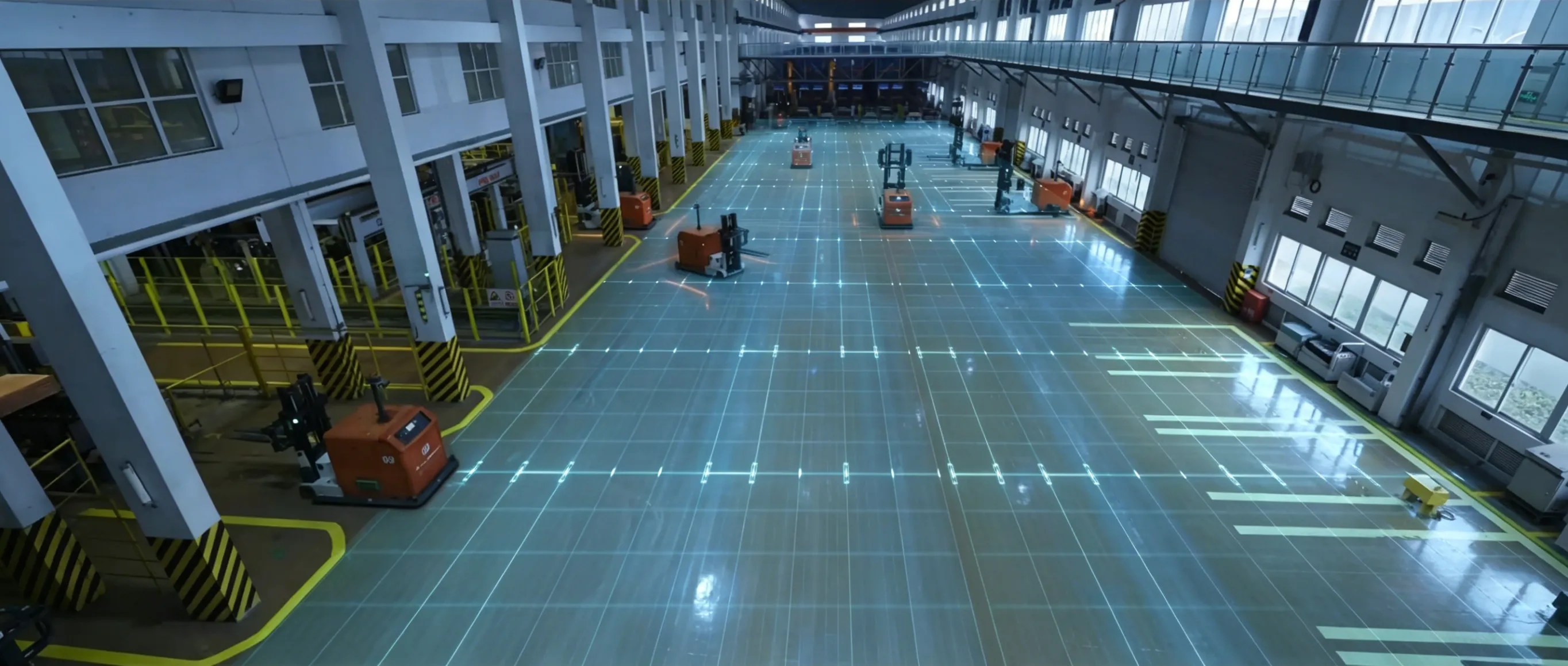
High-reliability equipment capability, high-reliability hardware support; High-stability architecture design, system stability 99.9%.
Dynamic task diversion, automatic recovery in case of anomalies "no interruption"; AI predictive operation and maintenance, reducing unplanned downtime
Modular design enables "building block" style rapid assembly. Digital twin simulation testing ensures compliance upon launch. Software "0" on-site debugging accelerates the launch process.
AI dynamic scheduling, automatically optimizing tasks and logistics allocation; second-level path re-planning, automatically diverting and restoring in case of congestion; graphical configuration tool, supporting flexible adjustment of business operations

6F-7F, Building A1, Zhong'an Chuanggu, No. 900 Wangjiang West Road, Shushan District
Postal code:230088
No. 777, Sizhuan Road, Songjiang District
Postal code:201619
Building 1, Yongqi Garden, North Street, Yonglian Town, Nanfeng Town, Zhangjiagang City
Postal code:215600
1st Floor, Building C, Talent Island Technology Industrial Park, Pengjiang District
Postal code:529095
The 9th Tower A, 35th Floor, 33/4, Rama 9 Road, Huai Khwang Sub-District, Huai Khwang, Bangkok, Thailand


Tel